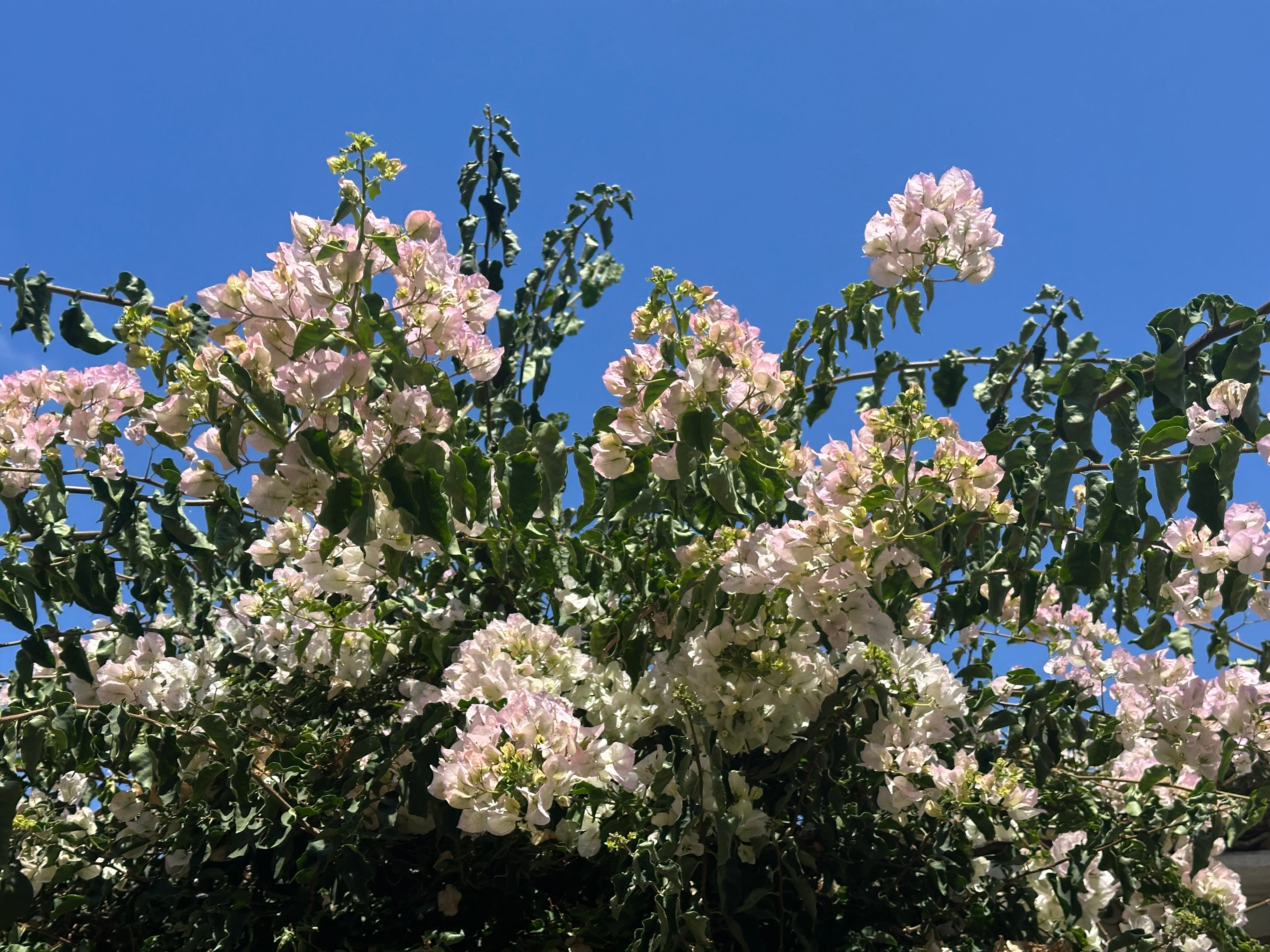
Photos by Dr. Don Pierce
This article touches upon the deep thread of reciprocity running through Scripture: the idea that our inner renewal and the renewal of creation are intertwined.
Below is a list of key biblical passages that explore this reciprocal relationship — between developing one’s inner nature (heart, spirit, awareness, righteousness) and the appreciation, healing, and regeneration of the natural world.
I. Foundational Passages — Inner and Outer Creation as One
1. Genesis 1:26–31
“Let us make humankind in our image… and let them have dominion… God saw everything that he had made, and indeed, it was very good.”
Theme: Sacred image and ecological responsibility.
The “image of God” implies inner likeness — capacity for compassion, creativity, and care.
The outer world thrives when this inner likeness manifests as stewardship rather than domination.
2. Genesis 2:7,15
“Then the Lord God formed man from the dust… and put him in the garden to till it and keep it.”
Theme: Breath and soil unity.
Inner life (breath of God) and outer environment (dust of the ground) share one origin.
Developing the inner breath (awareness, gratitude) naturally leads to caring for the soil that sustains it.
II. Wisdom Tradition — Inner Wisdom and the Living Earth
3. Job 12:7–10
“Ask the animals, and they will teach you; the birds of the air, and they will tell you… In his hand is the life of every living thing and the breath of every human being.”
Theme: Learning from creation.
True wisdom and self-knowledge come from humility and attentiveness to the living world.
Recognizing that “life-breath” is shared dissolves separation between self and Earth.
4. Proverbs 3:19–20; 8:22–31
“By wisdom the Lord founded the earth… Wisdom was beside Him, rejoicing in His inhabited world and delighting in humankind.”
Theme: Cosmic wisdom and joy.
The same wisdom (inner moral order) that guides a virtuous life also shapes ecological harmony.
Cultivating inner wisdom aligns one’s actions with the creative intelligence embedded in nature.
5. Psalm 104:24–30
“When you send forth your Spirit, they are created; and you renew the face of the ground.”
Theme: Spirit as the principle of regeneration.
The Spirit (ruach) that renews human hearts is the same force that regenerates ecosystems.
Spiritual renewal and ecological renewal are parallel processes of reanimation by divine breath.
III. Prophetic Vision — Healing the Land through Inner Righteousness
6. Isaiah 32:15–17
“Until the Spirit is poured upon us from on high, and the wilderness becomes a fruitful field… The effect of righteousness will be peace.”
Theme: Moral renewal leads to ecological renewal.
Inner righteousness — justice, humility, compassion — restores harmony in the natural world.
Social and environmental peace emerge together when inner life is rightly ordered.
7. Hosea 2:18–23
“I will make for them a covenant on that day with the wild animals… I will sow her for myself in the land.”
Theme: Reconciliation with creation.
Healing the relationship between God and the human heart also heals the covenant with nature.
When inner faithfulness returns, the land and its creatures share in that restoration.
8. Ezekiel 36:25–30
“I will sprinkle clean water upon you… I will give you a new heart and put a new spirit within you… and you shall dwell in the land.”
Theme: Purification and abundance.
The cleansing of the inner self (heart, spirit) and the renewal of the land are interdependent.
Ecological flourishing follows from spiritual purification and moral transformation.
IV. Christic and New Testament Continuity — Inner Renewal and Creation’s Redemption
9. Matthew 6:26–30
“Look at the birds of the air… Consider the lilies of the field, how they grow…”
Theme: Contemplative awareness and trust in creation.
Jesus teaches that appreciation of natural beings refines inner peace and lessens anxiety.
Spiritual development arises through contemplative attention to the effortless life of nature.
10. Romans 8:18–23
“The creation waits with eager longing for the revealing of the children of God… creation itself will be set free from its bondage to decay.”
Theme: Shared destiny of inner and outer liberation.
Humanity’s inner transformation (“revealing”) is the condition for the regeneration of creation.
Ecological healing is inseparable from spiritual awakening — both are movements toward divine freedom.
11. Colossians 1:15–20
“Through Him all things were created… and through Him God was pleased to reconcile all things, whether on earth or in heaven.”
Theme: Christ as cosmic reconciler.
The spiritual center of the human being (Christ within) is the same power that reconciles the cosmos.
Developing inner Christ-consciousness restores harmony across creation.
12. Revelation 22:1–2
“Then the angel showed me the river of the water of life… and on either side of the river was the tree of life, whose leaves are for the healing of the nations.”
Theme: Renewal of paradise through spiritual wholeness.
The final vision of the Bible joins inner life (“water of life”) and outer regeneration (“tree of life”).
The healed heart participates in the universal restoration of nature and community.
Three of the most significant and often-cited passages in the Bible that speak to nature’s regeneration -- the renewal, healing, and restoration of the natural world -- are:
1. Romans 8:19-22 (NRSV) “For the creation waits with eager longing for the revealing of the children of God; for the creation was subjected to futility, not of its own will but by the will of the one who subjected it, in hope that the creation itself will be set free from its bondage to decay and will obtain the freedom of the glory of the children of God. We know that the whole creation has been groaning in labor pains until now.” Why this is significant: This passage personifies creation as a living being--groaning, longing, and laboring toward renewal. It connects human spiritual awakening (”the revealing of the children of God”) with ecological liberation. In ecological terms, it’s an image of cosmic regeneration, implying that the restoration of nature and the spiritual evolution of humanity are intertwined.
2. Revelation 22:1–2 (NRSV) “Then the angel showed me the river of the water of life, bright as crystal, flowing from the throne of God and of the Lamb through the middle of the street of the city. On either side of the river is the tree of life with its twelve kinds of fruit, producing its fruit each month; and the leaves of the tree are for the healing of the nations.” Why this is significant: This is the culmination of the biblical vision of regeneration -- not just of humanity, but of the whole creation. The “river of life” and “tree of life” symbolize continuous renewal, abundance, and ecological harmony restored. The image mirrors the Garden of Eden renewed, showing that divine order ultimately restores balance and fertility to the Earth. Optional Complementary Passage: If you wanted a third supporting verse that bridges human stewardship and divine regeneration, consider: Isaiah 55:12-13 “For you shall go out in joy, and be led back in peace; the mountains and the hills before you shall burst into song, and all the trees of the field shall clap their hands. Instead of the thorn shall come up the cypress; instead of the brier shall come up the myrtle; and it shall be to the Lord for a memorial, for an everlasting sign that shall not be cut off.” This prophetic vision depicts joyous ecological renewal, where nature rejoices alongside humanity -- an image of regenerative harmony between humans, creation, and the divine.
Activities might include listening practices in nature -- attending to what is “groaning” or calling for healing -- both within oneself and in the land. Trustable Truth: Regeneration begins when the human soul and the soul of the Earth recognize each other as kin, both yearning for freedom and renewal.
2. Revelation 22:1–2 — The River and Tree of Life “The river of the water of life... and the leaves of the tree are for the healing of the nations.” Ecological Psychology Insight This final biblical image reveals ecological renewal as sacred wholeness. The Tree of Life and the River of Life represent perpetual flow and connection -- core concepts in ecological psychology. Life regenerates through cyclical processes, not linear consumption. The “healing of the nations” implies not only political reconciliation but biopsychospiritual restoration: humanity healed through the healing of ecosystems. Application for eartHearts This passage corresponds with the Ecosystems component: The “river” mirrors the continuous energy and vitality flowing through all beings. The “tree” embodies diversity, offering fruit in every season -- a model for sustainable abundance. The activity could involve mapping the local “rivers of life”: tracing how energy, water, and nourishment move through an ecosystem, and how one’s own vitality participates in those flows. Trustable Truth: Regeneration flows from recognizing that all life participates in one river -- healing comes through reconnection, not control.
3. Isaiah 55:12–13 — The Singing Earth “The mountains and the hills before you shall burst into song, and all the trees of the field shall clap their hands.” Ecological Psychology Insight Isaiah’s vision expresses joyful reciprocity -- the Earth rejoices when humanity lives in right relationship. This joy is a natural feedback loop: when the environment thrives, human well-being deepens. Ecological psychology calls this mutual flourishing or reciprocal causality -- the dance of vitality between humans and their surroundings. Application for eartHearts This speaks directly to Uniqueness, the cultivation of each individual’s distinct capacity to add beauty and renewal to the world: The cypress and myrtle symbolize transformation -- the replacement of thorns (wounding) with regenerative growth. Outdoor activities could include “listening for the song of place”: discerning what aspects of nature celebrate one’s presence and what call for restoration. Participants learn that their unique contribution can turn “briers” into “myrtles” -- transforming suffering into vitality. Trustable Truth: When humans live joyfully and responsibly within creation, nature responds in celebration -- the regeneration of Earth and soul are one event.
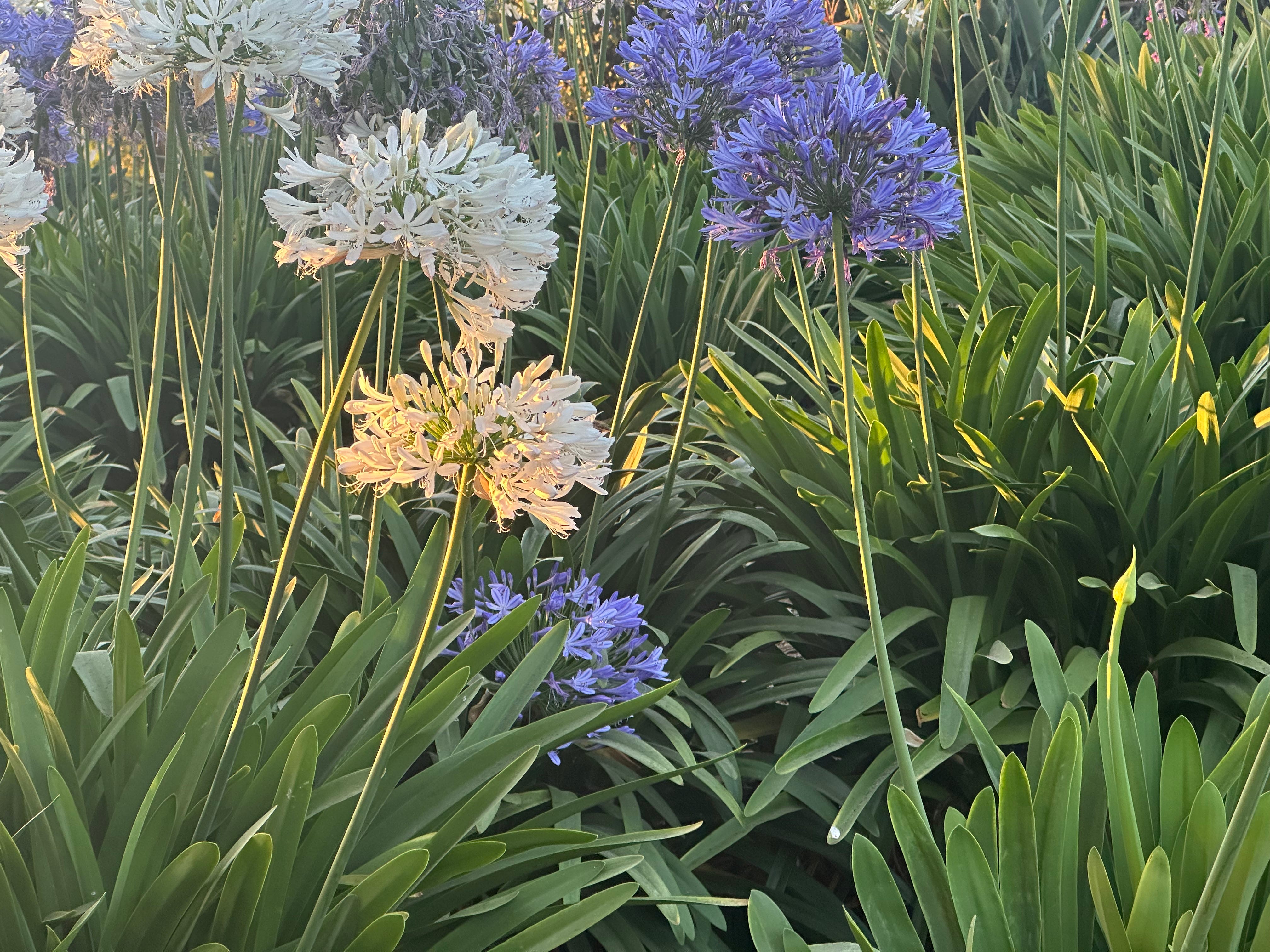
HumaNatureConnect Activity
The following activities awaken inner alignment, ecological flow, and unique joy through direct relationship with the living world.
Activity 1: “Listening to Creation’s Groan” Based on: Romans 8:19-22 Focus: Awakening and Alignment Trustable Truth: Regeneration begins when the human soul and the soul of the Earth recognize each other as kin, both yearning for freedom and renewal. Purpose: To cultivate empathy for the Earth’s condition and awaken inner readiness for co-regeneration. Time & Setting: Morning or late afternoon in a quiet natural space -- forest, meadow, shoreline, or desert wash. Steps: Enter Silently: Walk slowly into the chosen place, as if entering a sanctuary. Feel each step as a statement of respect. Grounding Breath: Place a hand on the ground or a tree trunk. Breathe with awareness of exchange -- your exhale becomes the world’s inhale. Attune to the Groan: Sit or stand still and listen for “groaning” -- not literally, but symbolically. Notice signs of strain: a broken branch, dry soil, or pollution. Sense what the land might be longing for. Inner Reflection: Ask yourself, “Where in me is something also yearning for renewal?” Act of Empathy: Gently perform one small act of kindness -- clear a piece of debris, water a plant, or sing softly to the place. Closing: Whisper gratitude to the Earth for allowing you to witness its patience and persistence. Psychological Link: This activity opens empathic awareness and restores one’s felt connection with the larger living system -- a necessary first step in ecological transformation.
Activity 2: “Following the River of Life” Based on: Revelation 22:1-2 Focus: Ecosystemic Interdependence Trustable Truth: Regeneration flows from recognizing that all life participates in one river -- healing comes through reconnection, not control. Purpose: To experience how all beings share in the flow of life energy and nourishment. Time & Setting: Midday near a stream, river, or place where water flows -- or, if unavailable, follow a path that carries movement (a wind corridor, an animal trail). Steps: Begin at the Source: Find where water emerges or imagine its origin. Contemplate the Source -- divine, cosmic, or ecological -- that nourishes all life. Walk the Flow: Move slowly downstream or along the energy’s path. Observe how the water touches stones, plants, and soil, giving life through contact. Reflect on Participation: Ask, “Where does the river of life flow through me?” Notice your heartbeat, breath, and circulation -- micro-versions of the same current. Gesture of Offering: Place a leaf, petal, or written intention into the flow -- symbolizing your willingness to join the regenerative current. Stillness at the Confluence: Where two streams meet, pause to feel the joy of interconnection. Psychological Link: This exercise fosters systemic awareness -- a recognition that individual well-being and ecological health are inseparable. It promotes humility and participation over dominance.
Activity 3: “When the Trees Clap Their Hands” Based on: Isaiah 55:12-13 Focus: Uniqueness and Joyful Reciprocity Trustable Truth: When humans live joyfully and responsibly within creation, nature responds in celebration -- the regeneration of Earth and soul are one event. Purpose: To experience how joyful, authentic expression can awaken vitality in both person and place. Time & Setting: Late afternoon or early evening in a grove, field, or hillside where movement and sound can flow freely. Steps: Enter with Joy: Walk into the space while humming or softly drumming your hands together -- symbolizing the trees’ clapping. Observe Transformation: Look for signs of resilience -- a sprout from a fallen log, a flower growing through cracked stone, a bird rebuilding a nest. Mirror the Renewal: Express your gratitude creatively -- dance, sing, or speak a poem inspired by what you see. Let Nature Respond: After your expression, stand silently. Listen for the wind, birds, or rustle of leaves. Feel them “reply” in their own rhythm. Share the Joy: Before leaving, write or draw one image of regeneration you witnessed and share it with your eartHearts group. Psychological Link: This practice strengthens self-as-part-of-nature identity. Joyful reciprocity amplifies energy and reinforces the sense that unique personal expression contributes to ecological and collective renewal.
Here is a Reflection Guide for the three eartHearts outdoor activities based on the regenerative biblical passages. Each reflection set helps participants internalize their experience through journaling, contemplation, and discussion, translating what was felt in nature into trustable truths for life and activism. 🌿
Reflection Guide 1.— “Listening to Creation’s Groan” Based on: Romans 8:19-22 Theme: Empathic Awakening & Alignment “For the creation waits with eager longing for the revealing of the children of God...” After the Activity: Find a quiet spot to write, reflect, or draw. Allow at least 15-20 minutes before speaking or analyzing. Let the experience settle like soil after rain. A. Recollection (Sensing Back) What moment during the activity felt most alive or emotionally charged? Did you sense any “groaning” -- signs of struggle, fatigue, or imbalance -- in the landscape or within yourself? How did the land’s story mirror something in your own inner life? B. Recognition (Insight Emerging) What does “the revealing of the children of God” mean to you now, after listening to the land? What quality within you felt called to awaken or take responsibility? How might empathy for the Earth shift the way you live day to day? C. Realization (Integration & Action) Identify one act of alignment you can commit to -- a small, consistent behavior that brings healing to your immediate environment. Write a brief statement or prayer of companionship with the Earth, affirming your shared renewal. Trustable Truth: “When I listen with empathy, I become part of creation’s renewal -- not as a savior, but as kin.”
Reflection Guide 2 — “Following the River of Life” Based on: Revelation 22:1-2 Theme: Ecosystemic Interdependence & Flow “The river of the water of life... and the leaves of the tree are for the healing of the nations.” A. Recollection (Sensing Back) Describe the flow you followed -- water, wind, animal path, or invisible current. What did you notice about how energy or nourishment moves through that system? Did you sense yourself as part of that same current? B. Recognition (Insight Emerging) What are the “rivers of life” that sustain you -- physically, emotionally, spiritually? How does your personal flow interact with the wider community or environment? Were there any blockages (in the land or yourself) where energy or compassion felt stopped? C. Realization (Integration & Action) Write about one way you can let life flow more freely -- in relationships, creativity, or service. Imagine your community as a river network: what contribution could you be to its healing and abundance? Trustable Truth: “When I flow in harmony with life, I participate in the regeneration of the whole.”
Reflection Guide 3 — “When the Trees Clap Their Hands” Based on: Isaiah 55:12-13 Theme: Uniqueness & Joyful Reciprocity “The mountains and the hills before you shall burst into song, and all the trees of the field shall clap their hands.”
A. Recollection (Sensing Back) What image or sound from the activity still resonates with you? Did you feel invited to express yourself -- through movement, sound, or stillness? How did the environment respond when you offered joy or gratitude?
B. Recognition (Insight Emerging) What does it mean to you to be a “tree of the field” -- a being capable of clapping, rejoicing, and contributing beauty? Where in your life does joy feel natural and regenerative? How might celebration itself be a form of ecological healing?
C. Realization (Integration & Action) Identify one creative or joyful action you can bring to your community that also benefits the natural world. Compose a short poem, song, or gesture of thanksgiving -- something that could “make the trees clap their hands.” Trustable Truth: “My joy and the Earth’s joy are the same current of renewal -- when I express life fully, the world becomes more alive.” How to Use This Reflection Guide You can integrate these reflections in three ways: Personal Journaling: After each outdoor practice, write or sketch impressions directly into a Field Notebook of Regeneration.
Group Sharing: In eartHearts circles, share one insight per passage -- focusing on lived experience rather than analysis. Ongoing Integration: Revisit each reflection a week later to notice what subtle changes have occurred in mood, motivation, or relationships.
Essential Readings:
• […]
• […]

Recommended Readings:
• […]
• […]
• […]
• […]

For additional readings, visit Heartwood Path Beat.