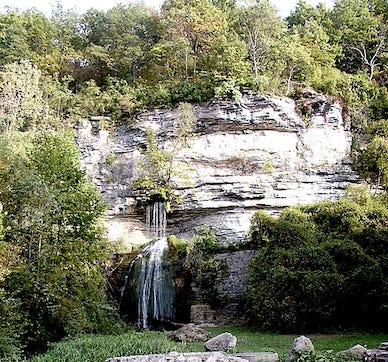
Here’s a list of 50 opportunities for action that can be observed in nature.
These opportunities reflect various interactions, behaviors, and processes that can be insightful for an ecological psychologist or their clients:
Bird Migration: Observing how birds navigate long distances and adapt to different environments.
Pollination by Bees: Understanding the role of bees in fertilizing plants and their impact on ecosystems.
Tree Growth: Examining how trees adapt to varying light conditions and soil types.
Ant Nest Building: Studying the collaborative effort of ants in constructing complex nests.
Coral Reef Formation: Learning about how corals build reefs and the role of symbiosis in this process.
Fungal Decomposition: Observing how fungi break down organic matter and recycle nutrients.
Predator-Prey Interactions: Analyzing the strategies predators and prey use to survive.
Migration Patterns of Monarch Butterflies: Exploring how butterflies navigate and migrate across continents.
Beaver Dam Construction: Investigating how beavers alter their environment to create habitats.
Nesting Behavior of Sea Turtles: Studying how sea turtles choose nesting sites and protect their eggs.
Foraging Behavior of Squirrels: Observing how squirrels find and store food for winter.
Plant Defense Mechanisms: Understanding how plants develop and use defenses against herbivores.
Flower Opening and Closing: Examining how flowers adapt to attract pollinators and protect themselves.
Soil Erosion and Plant Roots: Studying how plant root systems prevent soil erosion.
Nocturnal Animal Behavior: Observing how animals adapt to and navigate nocturnal environments.
Animal Communication: Investigating how animals use sounds, gestures, and pheromones to communicate.
Seasonal Changes in Animal Behavior: Examining how animals adjust their behavior in response to seasonal changes.
Water Filtration by Wetlands: Learning about how wetlands filter and clean water naturally.
Grazing Patterns of Herbivores: Observing how herbivores manage vegetation and their impact on ecosystems.
Symbiosis Between Cleaner Fish and Hosts: Studying the mutualistic relationships in aquatic environments.
Hibernation Patterns: Understanding how animals prepare for and survive through hibernation.
Nest Defense by Birds: Observing how birds protect their nests and young from predators.
Camouflage in Insects: Analyzing how insects use camouflage to avoid predators.
Territorial Behavior in Animals: Examining how animals establish and defend their territories.
Seed Dispersal by Animals: Investigating how animals contribute to plant reproduction by dispersing seeds.
Deer Rutting Season: Observing mating behavior and competition among deer during the rut.
Echo Location in Bats: Studying how bats use echolocation to navigate and hunt.
Nutrient Cycling in Forests: Learning about how forests recycle nutrients through decomposition and plant growth.
Altruistic Behavior in Primates: Examining how primates engage in acts of kindness and cooperation.
Water Collection by Desert Plants: Observing how plants in arid environments collect and conserve water.
Larval Development in Aquatic Insects: Studying the life cycle and development of insects in aquatic habitats.
Rock Formation and Weathering: Understanding how geological processes shape and change landscapes.
Scent Marking by Animals: Investigating how animals use scent to mark territory and communicate.
Beetle Dung Rolling: Observing how beetles roll and bury dung to create breeding sites.
Fish Schooling Behavior: Analyzing how fish coordinate movement in schools to avoid predators.
Birdsong and Territorial Claims: Studying how birds use song to establish and defend territories.
Social Structure in Wolf Packs: Investigating the hierarchical and cooperative behaviors within wolf packs.
Temperature Regulation in Reptiles: Observing how reptiles use behavioral adaptations to regulate body temperature.
Climbing Behavior in Primates: Examining how primates use climbing skills to forage and evade predators.
Mimicry in Butterflies: Studying how butterflies mimic other species for protection from predators.
Nesting in Cavity-Nesting Birds: Understanding how birds select and use cavities for nesting.
Foraging Strategies of Bears: Observing how bears search for and gather food in different seasons.
Reproductive Displays in Birds of Paradise: Analyzing the elaborate courtship displays used in mating rituals.
Social Bonds in Elephants: Investigating how elephants form and maintain complex social relationships.
Pollination by Hummingbirds: Studying the role of hummingbirds in pollinating flowers.
Coral Bleaching Events: Understanding the impact of environmental changes on coral reefs.
Grazing Impact on Grasslands: Observing how grazing animals affect the composition and health of grasslands.
Hydrological Cycles in Wetlands: Examining how wetlands manage and distribute water in their environment.
Reforestation by Natural Processes: Investigating how forests regenerate and expand through natural processes.
Community Dynamics in Tide Pools: Studying the interactions and relationships among species in tidal environments.
These opportunities for action illustrate a wide range of ecological processes and behaviors, offering valuable insights for understanding interactions with nature and applying these lessons to human contexts.
For clients of an ecological psychologist, exploring these opportunities for action found in nature can provide various benefits that support personal growth, well-being, and a deeper understanding of their interactions with the environment.
Here’s how these opportunities can be beneficial:
1. Enhancing Self-Awareness and Understanding
Observing natural behaviors and processes helps clients gain insight into their own behaviors and reactions. For example:
Bird Migration: Understanding migration can inspire clients to reflect on their own life transitions and how they adapt to change.
Tree Growth: The adaptation of trees to their environment can encourage clients to recognize their own growth and resilience.
2. Fostering Resilience and Adaptability
Learning about how natural beings respond to challenges can empower clients to develop similar strategies in their own lives.
Pollination by Bees: The dedication of bees to their role in the ecosystem can inspire clients to commit to their personal goals with similar diligence.
Ant Nest Building: The teamwork and problem-solving observed in ants can encourage clients to develop collaborative skills and resilience.
3. Promoting Problem-Solving and Creativity
Nature offers numerous examples of innovative solutions to challenges that clients can apply to their own situations.
Beaver Dam Construction: The way beavers alter their environment can inspire clients to think creatively about how to overcome obstacles.
Camouflage in Insects: Insect camouflage can stimulate clients to think about how they can adapt or present themselves in various situations.
4. Encouraging Purpose and Motivation
Understanding the purposeful actions of natural beings can help clients find and pursue their own sense of purpose.
Flower Opening and Closing: The adaptive behaviors of flowers can help clients understand the importance of timing and responsiveness in their own actions.
Nesting Behavior of Sea Turtles: The commitment of sea turtles to protecting their eggs can motivate clients to invest in their own goals and responsibilities.
5. Building Connection and Empathy
Connecting with nature fosters a sense of empathy and interconnectedness that can enhance clients' relationships with others and the environment.
Social Bonds in Elephants: Observing the complex social relationships of elephants can help clients appreciate the importance of their own social connections.
Altruistic Behavior in Primates: The acts of kindness observed in primates can encourage clients to cultivate empathy and support within their own communities.
6. Improving Stress Management and Relaxation
Interactions with nature and understanding natural processes can provide clients with effective stress relief and relaxation techniques.
Water Filtration by Wetlands: The natural purification processes can serve as a metaphor for how clients might clear mental clutter and find peace.
Hibernation Patterns: Learning about animal hibernation can guide clients in understanding the importance of rest and rejuvenation.
7. Encouraging Mindfulness and Presence
Observing natural phenomena promotes mindfulness and helps clients stay present in the moment.
Nocturnal Animal Behavior: Observing animals that are active at night can help clients appreciate the value of quiet and reflection.
Seed Dispersal by Animals: The dispersion of seeds can symbolize the spreading of new ideas or opportunities in a client’s life.
8. Supporting Personal Growth and Development
By understanding how natural beings grow and adapt, clients can apply similar principles to their own personal development.
Larval Development in Aquatic Insects: The stages of growth in insects can represent the process of personal development and transformation.
Reforestation by Natural Processes: The natural renewal of forests can inspire clients to embrace change and growth in their own lives.
9. Strengthening Environmental Awareness and Responsibility
Connecting with nature deepens clients’ appreciation for environmental conservation and their role in protecting it.
Coral Bleaching Events: Understanding the impacts of environmental changes on coral reefs can enhance clients’ awareness of ecological issues and encourage more sustainable practices.
Hydrological Cycles in Wetlands: Learning about water management in wetlands can increase clients’ understanding of their own water usage and conservation efforts.
10. Facilitating Goal Setting and Achievement
The purposeful actions observed in nature can motivate clients to set and achieve their own goals.
Foraging Behavior of Squirrels: The strategic planning of squirrels in gathering food can inspire clients to develop their own plans for achieving long-term goals.
Social Structure in Wolf Packs: The cooperative behavior within wolf packs can encourage clients to work effectively in teams and support each other in achieving shared objectives.
Overall, by engaging with these opportunities for action in nature, clients of an ecological psychologist can gain valuable insights, develop practical skills, and foster a deeper connection to themselves, others, and the natural world.