

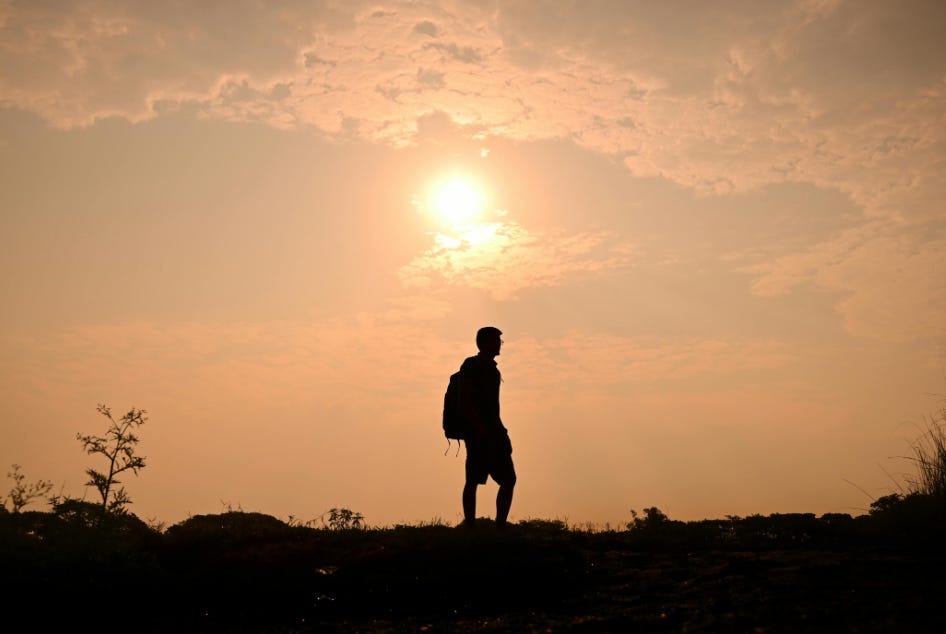
Photo by Baron, Pexels.com.
It’s exciting to plan your first overnight hiking trip. You get to experience new scenery, learn new skills and carry everything you need. With so many options, it can be easy to get overwhelmed and unsure about what is really necessary. You don’t have to stock up on a lot of gear in order to start. You can be confident, safe and comfortable on your first backcountry adventure by focusing on just a few essentials. You can build upon these five basic principles as you gain experience.
1. Shelter
Choose a reliable 2-person tent for 3-seasons or a freestanding, beginner-friendly model. The tent should be able to withstand the weather conditions and set up quickly. Practice at home will help you to make the transition from camp stress-free.
2. Sleeping Gear
You can make your outdoor night more comfortable with a warm sleepingbag and an insulated sleeping pad. Synthetic bags are more moisture resistant and pack smaller than down bags. Choose based on the climate you live in and your comfort preferences.
3. Water System
Always carry a minimum of 2 liters of water, and always have a filter or purification tablet. Even if the source appears to be clear, invisible pathogens may cause serious illness even when you are miles away from help.
4. Food & Cooking
You can pack simple meals that are easy to prepare, such as freeze dried meals, oatmeal packets, or ramen. All you need is a small backpacking pot, fuel canister and a lightweight stove. Bring along snacks that you are sure to enjoy, such as trailmix, energy bars or dried fruit.
5. Navigation & Safety
Navigation tools are important, even on trails that have been well marked. Take a Map, Compass and a Phone with Offline Maps. To cover all the essentials, add a headlamp and first aid kit.
Nocturnal Pilgrimage
Essential Overnight Hike Gear List
Shelter & Sleep
Two-person 3-season tent
Sleeping bag
Sleeping pad
Water
Water capacity: 2-3L
Water filter or tablets
Food & Cooking
Freeze-dried meals, ramen, oatmeal
Backpacking stove + fuel
Spoon/spork
Navigation & Safety
Map + Compass
Maps on your phone
Headlamp
Small first aid kit
Clothing and Miscellaneous
Layers for all weather conditions
Extra socks
Backpack (40-60L).
Trash bag
Conclusion
You don’t have to be perfect for your first overnight. Just prepared. You can start with the essentials and then refine your gear over time. The best gear will be the gear that gets you outside.