

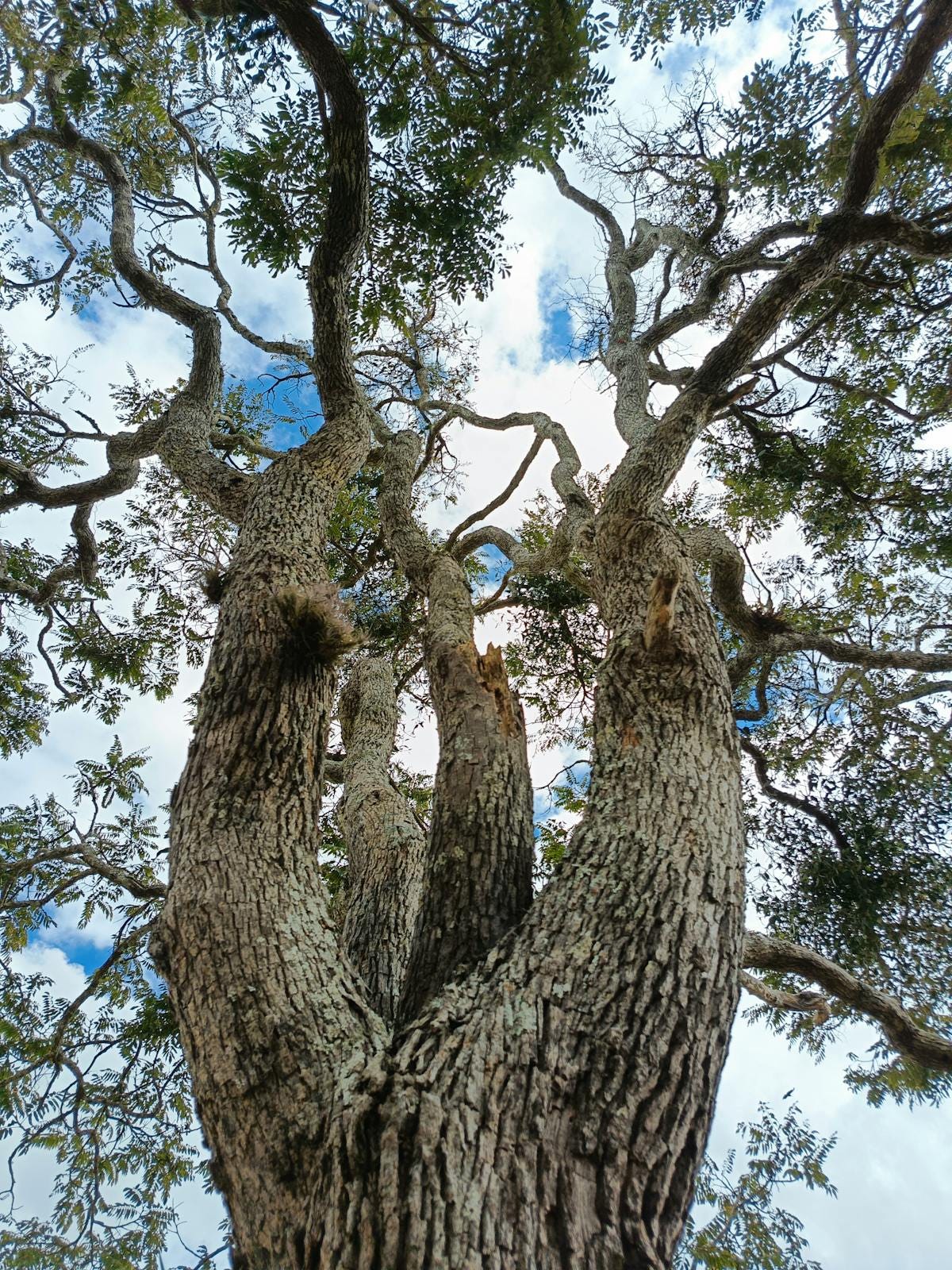
Pexels.com.
Trees are among the most profound symbols of life and growth in nature. Their ability to root deeply, grow steadily, and contribute holistically to ecosystems offers a unique opportunity for action within an ecological psychology framework. Observing, supporting, and interacting with tree growth reveals dynamic connections between perception, action, and the environment, influencing both individual and collective behavior. Tree growth exemplifies ecological psychology's focus on how organisms engage with their surroundings, offering lessons about resilience, interdependence, and sustainability.
The Ecological Role of Tree Growth
Trees play a foundational role in ecosystems by supporting biodiversity, regulating climate, and providing essential resources. Their growth is not just an isolated biological process but a dynamic interaction with their environment, characterized by reciprocal relationships:
Nutrient Cycling: Trees absorb nutrients from the soil and return them through leaf fall, enriching the ecosystem for other organisms.
Carbon Sequestration: Through photosynthesis, trees capture carbon dioxide, mitigating climate change.
Habitat Creation: Trees provide shelter, food, and nesting sites for countless species, from insects to birds and mammals.
Water Regulation: Trees influence hydrological cycles by filtering water, reducing erosion, and increasing soil moisture.
Tree growth, therefore, is a critical ecological process that exemplifies how natural systems thrive through interdependence.
Opportunities for Action in Supporting Tree Growth
Supporting tree growth offers numerous opportunities for action that align with ecological psychology’s principles, including fostering awareness, enhancing adaptability, and promoting sustainability. These actions can take various forms:
1. Planting Trees
Planting trees is a direct and impactful action that supports ecological health. From community reforestation projects to individual efforts in urban gardens, planting trees fosters ecological restoration.
Affordances: A tree seedling offers opportunities for care, growth, and long-term environmental impact.
Psychological Impact: Planting trees creates a sense of agency and contribution, empowering individuals to make a tangible difference.
2. Protecting Existing Forests
Preserving mature trees and old-growth forests is equally important. These trees serve as ecological anchors, supporting biodiversity and regulating local climates.
Affordances: Mature trees afford opportunities for learning about ecosystem dynamics, from observing symbiotic relationships to understanding canopy structure.
Psychological Impact: Advocating for forest preservation cultivates a sense of responsibility and connection to larger environmental systems.
3. Engaging in Urban Forestry
Urban trees improve air quality, provide shade, and enhance mental well-being. Supporting urban forestry initiatives fosters greener, more livable cities.
Affordances: Urban trees afford opportunities for interaction, such as enjoying shade, climbing branches, or observing seasonal changes.
Psychological Impact: Interacting with urban trees strengthens community bonds and promotes mindfulness.
4. Participating in Citizen Science
Monitoring tree growth and health through citizen science initiatives connects individuals to larger scientific efforts. For example, tracking tree phenology (timing of leafing, flowering, etc.) helps researchers understand climate change impacts.
Affordances: Citizen science affords opportunities for education, observation, and contribution to collective knowledge.
Psychological Impact: Participation fosters curiosity and a sense of shared purpose in addressing environmental challenges.
Ecological Psychology and the Human Perspective on Tree Growth
From an ecological psychology standpoint, tree growth represents a dynamic interaction between organisms and their environment. Observing and engaging with trees influences human perception, behavior, and emotional well-being in several ways:
1. Enhancing Awareness of Affordances
Trees offer countless affordances—opportunities for action based on their physical properties and ecological roles:
For Exploration: Climbing, walking under canopies, or observing wildlife.
For Reflection: Sitting beneath a tree, listening to leaves rustling, or meditating on its resilience.
For Learning: Studying how trees interact with soil, water, and sunlight to grow.
These affordances heighten human awareness of the interconnectedness between living beings and their environments.
2. Encouraging Systems Thinking
Tree growth exemplifies systems thinking, showing how different components of an ecosystem interact:
Roots: Anchor trees to the soil and connect them to underground fungal networks, facilitating nutrient exchange (e.g., mycorrhizal networks).
Trunks and Branches: Provide structural support, enabling trees to access sunlight and contribute to the canopy.
Leaves: Capture sunlight and carbon dioxide, producing oxygen and energy for the tree and the ecosystem.
Understanding these systems helps humans see their role within larger ecological networks, encouraging holistic decision-making.
3. Inspiring Emotional and Cognitive Resilience
The slow, steady growth of trees provides a metaphor for resilience:
Adapting to Challenges: Trees bend in the wind, recover from storms, and regrow after being pruned or damaged.
Patience in Growth: Trees grow over decades, reminding humans that meaningful progress often requires time and persistence.
Observing and reflecting on tree growth can inspire resilience in the face of personal or environmental challenges.
Challenges to Tree Growth and Opportunities for Human Intervention
Despite their resilience, trees face numerous threats, including deforestation, climate change, and urbanization. These challenges present opportunities for humans to act as stewards of the natural world:
1. Combatting Deforestation
Deforestation reduces biodiversity, disrupts water cycles, and contributes to climate change. Opportunities for action include:
Supporting sustainable forestry practices.
Advocating for policies that protect forests.
Participating in reforestation projects.
2. Mitigating Climate Change
Climate change affects tree growth through shifting temperatures, altered precipitation patterns, and increased wildfires. Actions include:
Planting climate-resilient tree species.
Reducing personal carbon footprints.
Supporting research on trees’ role in carbon sequestration.
3. Promoting Urban Tree Health
Urban trees face challenges such as pollution, soil compaction, and limited space. Supporting urban tree health involves:
Volunteering for tree care programs.
Educating communities about the benefits of urban greenery.
Advocating for policies that prioritize green infrastructure.
The Broader Impact of Engaging with Tree Growth
1. Building Environmental Stewardship
Engaging with tree growth fosters a sense of stewardship, encouraging individuals to care for the environment and advocate for sustainable practices.
2. Strengthening Community Bonds
Planting and caring for trees often involves collaboration, whether through community tree-planting events or collective advocacy for green spaces. These activities strengthen social ties and promote collective action.
3. Promoting Mental and Emotional Well-Being
Interacting with trees has well-documented benefits for mental health, including reducing stress, improving mood, and fostering a sense of connection to nature. These benefits reinforce the importance of preserving and expanding tree-covered areas.
Lessons from Tree Growth for Human Behavior
Tree growth offers numerous metaphors and practical lessons for human behavior:
Rootedness: Just as trees anchor themselves in the soil, humans can find stability in their values and relationships.
Adaptability: Trees grow toward sunlight and adapt to their environment, teaching humans to remain flexible in the face of challenges.
Interdependence: Trees thrive in forests where they share resources and protect one another, emphasizing the importance of collaboration and community.
Conclusion
Tree growth is not just a biological process but a dynamic opportunity for action that aligns with ecological psychology principles. By observing and supporting tree growth, humans can enhance their understanding of interconnected systems, develop resilience, and contribute to environmental sustainability. Trees offer powerful affordances for learning, reflection, and action, reminding us that every step we take to support nature contributes to the broader ecological and psychological health of the planet. Through planting, protecting, and interacting with trees, we engage with the cycles of growth and renewal that sustain life itself.
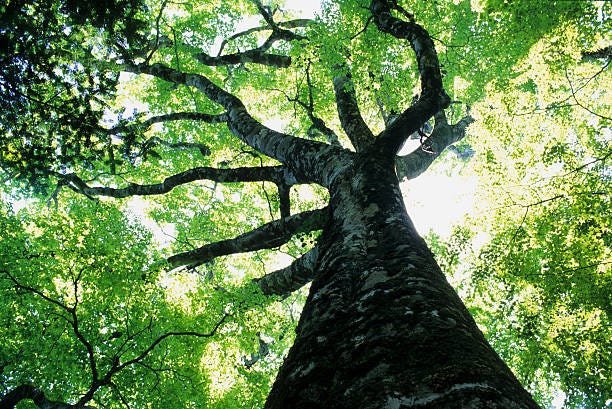
Pexels.com
HumaNatureConnect Activity
Outdoor Activity: "Rooted Connections – Strengthening Bonds Through Tree Growth Exploration"
Objective:
Participants will explore the growth and ecological roles of trees to deepen their understanding of interconnectedness in ecosystems and within their community. The activity fosters a sense of connection to nature, other participants, and the cycles of growth and resilience.
