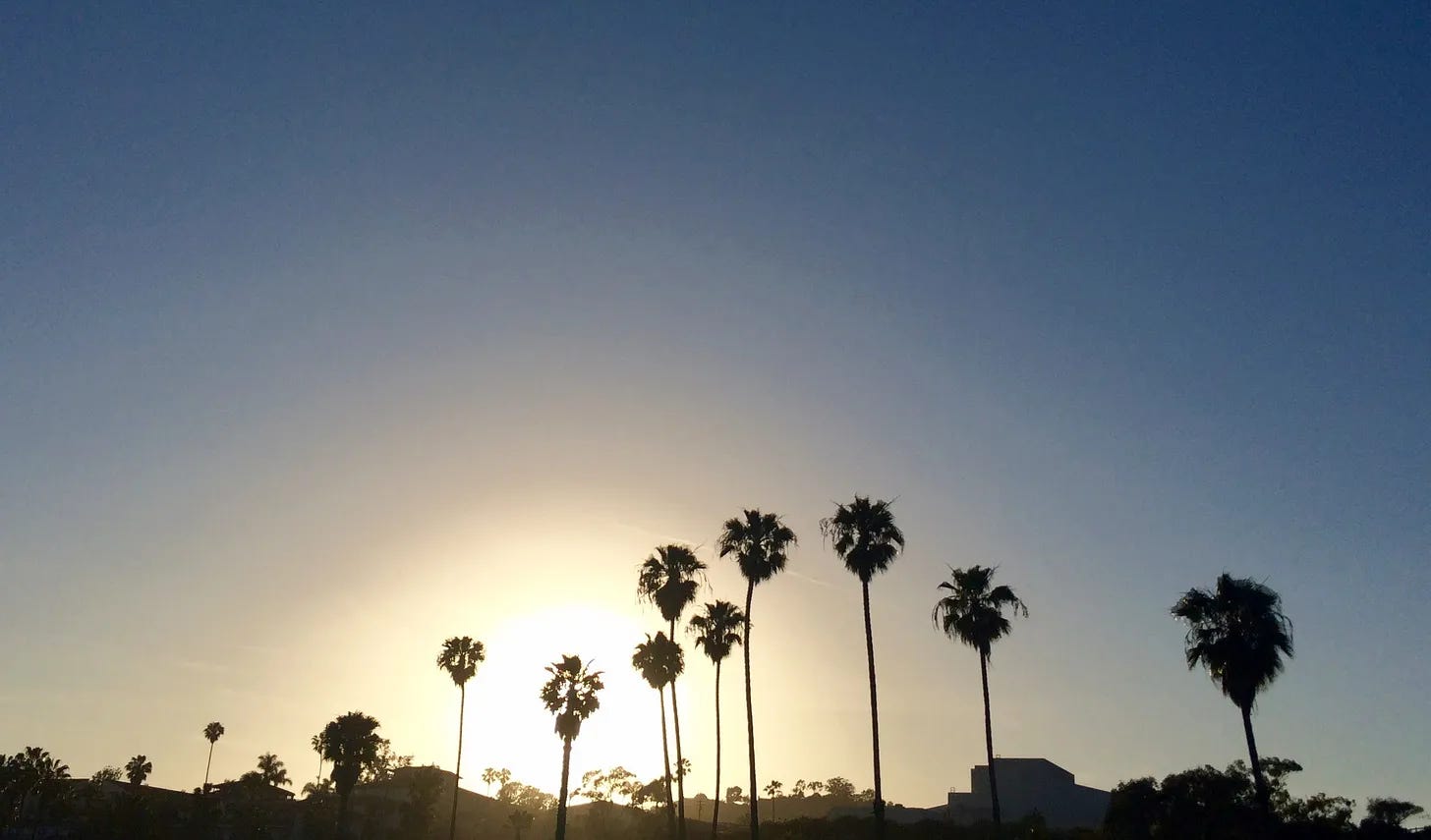
Photo by Don Pierce
There are moments when the mind is not only overwhelmed by meaning but also overloaded with emotion. Fear, grief, anger, shame, confusion, longing — these states accumulate until the inner world feels swollen, pressurized, and unstable. When emotional weight builds faster than the psyche can metabolize it, the mind begins to distort experience in an attempt to relieve the pressure.
Nature helps because it can hold what the human world cannot.
A hillside does not recoil from your grief.
A tree does not flinch at your anger.
A river does not tighten when you feel afraid.
A stone does not judge the intensity of your longing.
The land absorbs emotional excess without commentary, without interpretation, and without fear. It offers a place where the self can release what it has been carrying without worrying about how it will be received.
This is not metaphor. It is nervous‑system reality.
When you are in the presence of natural beings, your body senses that it is safe enough to let go. Muscles soften. Breath deepens. The chest loosens. The jaw unclenches. The emotional pressure that once felt dangerous begins to move.
Nature does not ask you to explain yourself.
It does not ask you to justify your feelings.
It does not ask you to be reasonable.
It simply receives.
This is why the land is such a powerful companion for those who feel overwhelmed. It offers a form of containment that is not psychological but ecological. The world is large enough to hold what you cannot hold alone.
When emotional excess is released into nature, it does not harm the land. It does not burden it. It does not stain it. The natural world has been absorbing the emotional weather of living beings for millions of years. It knows how to take in intensity and return it to balance.
This is the quiet truth:
You do not have to carry everything inside your own body.
The land can help you carry it.
And when the emotional pressure decreases, the mind no longer needs to generate protective narratives. It no longer needs to interpret everything as threat or message. It no longer needs to create meaning at a frantic pace. Emotional unburdening is often the first step toward clarity.
Nature does not cure emotional overwhelm.
It grounds it.
It dissipates it.
It releases it into something larger.
And in that release, the self becomes lighter, steadier, and more capable of seeing the world as it is.
HumaNatureConnect Activity
Letting the land hold what you no longer need to carry
Go to a natural place where you feel unobserved — a grove, a bluff, a quiet trail, a patch of grass behind your home. Choose one natural being to sit or stand beside. Let it be your witness.
Take three slow breaths.
Let your body settle into the presence of the land.
Then, without forcing anything, let your attention move toward whatever emotion feels heaviest today. You do not need to name it. You do not need to understand it. You only need to feel where it lives in your body.
Place your hand on that place.
Let the land hold the rest.
Use the following prompts to guide your release:
What emotion in me feels too heavy to carry alone.
What softens when I let the land witness my feeling without reacting.
What changes when I stop trying to manage my emotions and simply let them move.
What does my body do when it senses that nothing around me is afraid of my intensity.
What becomes possible when I let the land absorb what I cannot hold.
Stay with your chosen natural being for ten minutes. Let the emotion move at its own pace. Let the land receive it.
Afterward, write a short reflection:
What released.
What loosened.
What became lighter.
What became clearer.
This activity teaches the body that it does not have to contain everything. It teaches the mind that it does not have to generate meaning to manage emotional pressure. It teaches the self that it is held by something larger.
Nocturnal Pilgrimage
Letting the night dissolve emotional residue
Step outside after dark. Let the night air touch your skin. Notice how the world becomes quieter, softer, and less defined. Night has a way of dissolving emotional edges. It blurs the boundaries of the day. It loosens what has been held too tightly.
Stand or sit in one place.
Let the darkness receive you.
Use the following prompts:
What emotion from today is still clinging to me.
What softens when I let the night hold it.
What becomes less sharp when the world grows dim.
What becomes less personal when the details fade.
Let the night absorb what remains. Let the darkness take the emotional residue that daylight could not dissolve.
When you return indoors, write briefly:
What settled.
What released.
What no longer feels urgent.
Night is a natural unburdening. It takes what the day cannot hold.
Conclusion
Emotional overwhelm is not a failure of strength. It is a sign that the self has been carrying too much for too long. Nature offers a place where that weight can be released without fear, without judgment, and without explanation.
The land absorbs what the psyche cannot.
The night dissolves what the day cannot.
The world holds what the self cannot.
Unburdening is not the end of the journey.
It is the clearing that makes the next step possible.
When the emotional pressure decreases, the mind becomes quieter.
When the mind becomes quieter, perception becomes clearer.
When perception becomes clearer, the world becomes less threatening.
This is the work of the land:
to help you carry what you cannot carry alone.