

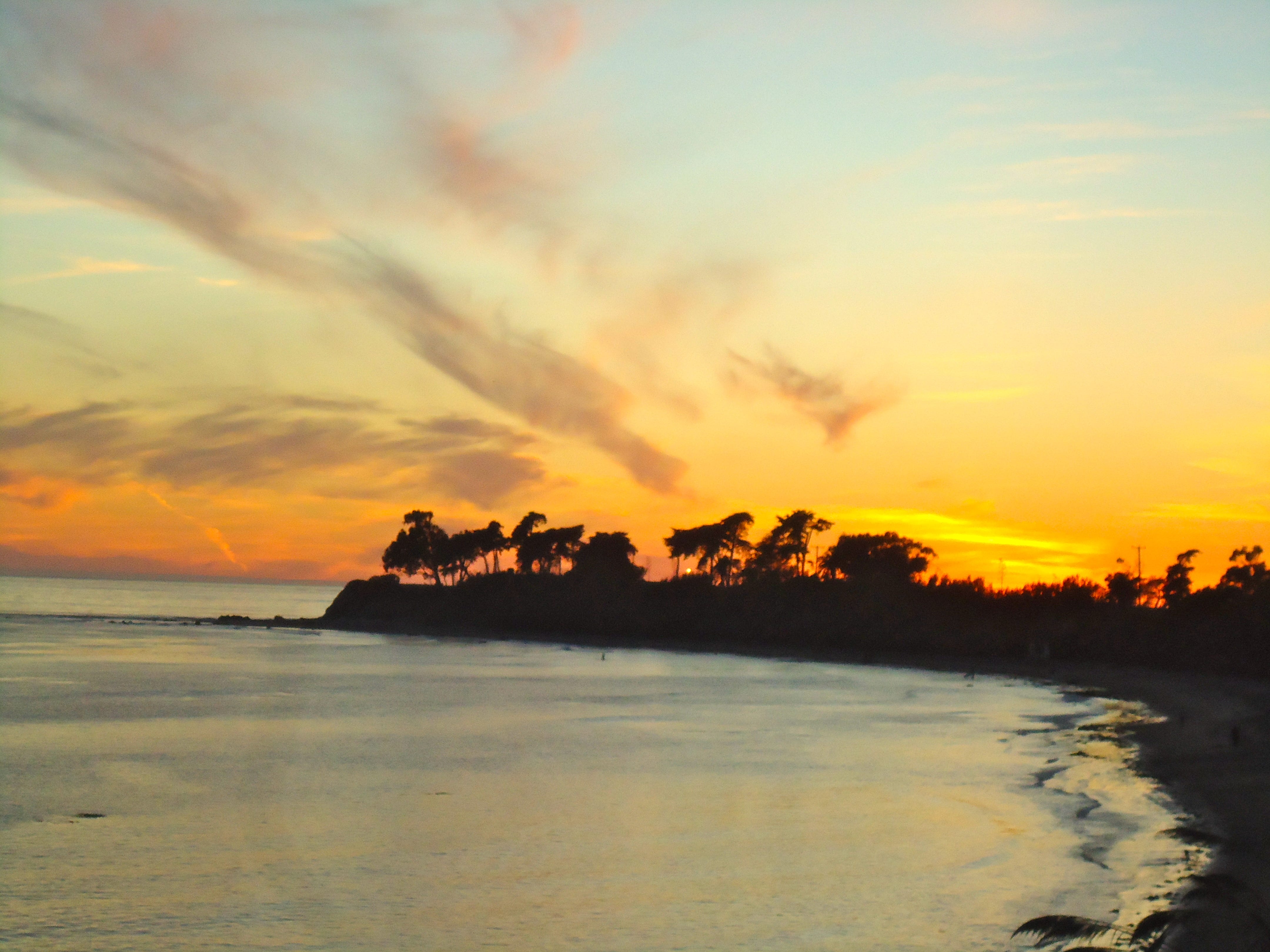
Ocean Pacific sunsets lead to innovation and growth in the following ways:
A sunset over the Ocean sparks creative thinking through its awe-inspiring beauty.
Nature's grandeur in an Ocean sunset ignites curiosity and imagination.
Witnessing the sunset's spectacle fosters introspection, fueling innovative ideas.
The tranquil ambiance of an Ocean sunset encourages fresh perspectives and problem-solving.
Each sunset offers a canvas of inspiration, fostering growth and innovation.
Sunsets over the ocean are a powerful source of inspiration, evoking a range of emotions and thoughts that can significantly boost creativity. Here are ten ways they can inspire creativity:
Visual Beauty and Color Palette: The vibrant and ever-changing colors of a sunset can inspire new artistic creations. Painters, photographers, and designers often draw from the rich hues and contrasts to create stunning works.
Sense of Calm and Reflection: The tranquil setting of a sunset over the ocean provides a peaceful environment that encourages introspection. This reflective state can lead to deeper, more meaningful creative ideas.
Symbolism and Metaphor: Sunsets often symbolize endings and new beginnings, evoking themes of transition and transformation. Writers and poets can draw on these metaphors to craft compelling stories and poems.
Natural Patterns and Textures: The patterns created by the sun’s light on the water and clouds offer unique textures and shapes that can inspire new design elements in various forms of art.
Emotional Resonance: The emotional impact of witnessing a sunset can evoke feelings of awe, nostalgia, and wonder. These emotions can fuel the creative process, making artworks more profound and relatable.
Time for Contemplation: Watching a sunset provides a break from daily routines, offering a moment of stillness that can spark new ideas and perspectives. This downtime can be crucial for overcoming creative blocks.
Connection to Nature: Being immersed in the natural beauty of a sunset can foster a deeper connection to the environment, inspiring eco-friendly and nature-themed creative projects.
Inspiration from the Horizon: The vastness of the ocean meeting the sky at the horizon can inspire thoughts about limitless possibilities and expansive thinking, encouraging big-picture thinking and innovative ideas.
Dynamic Changes: The gradual changes in light and color during a sunset illustrate the beauty of transformation. This can inspire creatives to embrace change and experiment with evolving their own work.
Shared Experience: Sunsets are a universal experience that can connect people across cultures and backgrounds. This shared appreciation can inspire collaborative projects and community-focused creative endeavors.
Examples of Creative Inspiration:
Painting and Drawing: Capturing the dynamic colors and shapes of a sunset.
Photography: Creating time-lapse videos or still photography that showcase the progression of the sunset.
Writing: Crafting poems, stories, or reflections that incorporate the emotions and themes inspired by a sunset.
Music Composition: Writing music that evokes the feelings experienced while watching a sunset.
Interior Design: Using the color palette of a sunset to inspire room decor and design elements.
Fashion Design: Creating clothing lines that reflect the colors and textures seen in a sunset.
Film and Animation: Incorporating sunsets into scenes to evoke specific moods or themes.
Meditation and Mindfulness Guides: Designing practices that use the imagery of sunsets to promote relaxation and reflection.
Environmental Art: Creating installations or sculptures that highlight the beauty of sunsets and nature.
Community Art Projects: Organizing group activities like painting or photography sessions centered around sunsets to foster creativity and community spirit.
By tapping into the visual, emotional, and symbolic aspects of sunsets over the ocean, individuals can unlock new levels of creativity and produce works that resonate deeply with themselves and others.
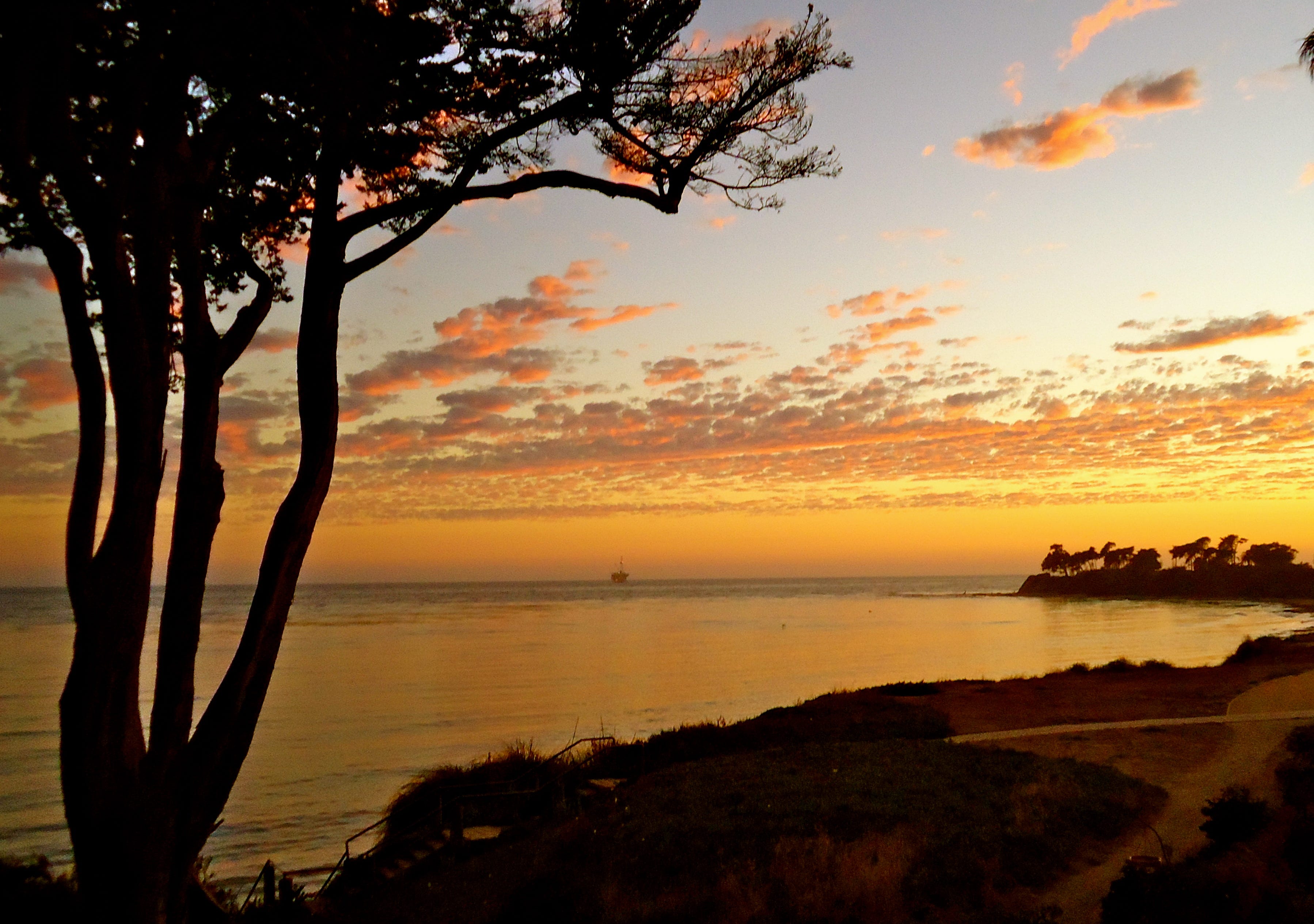
HumaNatureConnect Activity
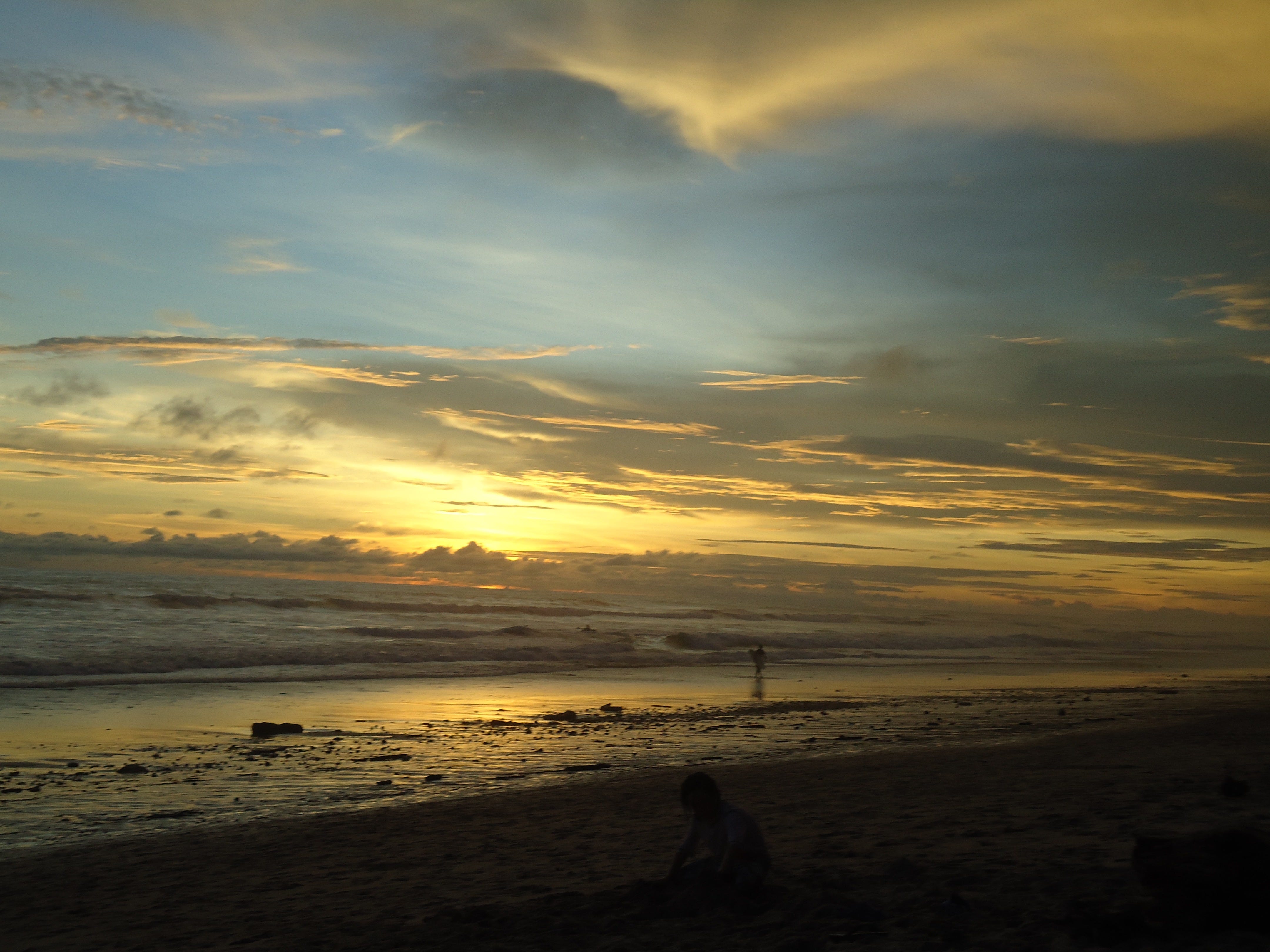
Using the five ecological psychology processes—energy, diversity, death/decay/renewal/change, and relationship—to create activities inspired by the sunset over the ocean can deeply foster creativity. Here are tailored activities for each process:
1. Energy: Sunset Reflections
Objective: Harness the dynamic energy of the setting sun to inspire creative thought and expression.
Activity Steps:
Preparation:
Find a comfortable spot on the beach to sit and observe the sunset.
Bring a notebook, pen/pencil, and perhaps some colored pencils or watercolors.
Observation (10-15 minutes):
Watch the sunset, paying close attention to the changing colors, light patterns, and the energy in the transition from day to night.
Feel the warmth of the sun and the cooling air as the sun dips below the horizon.
Creative Expression (20-30 minutes):
Use the notebook to write a poem or short story inspired by the energy and colors of the sunset.
Alternatively, create a series of sketches or a watercolor painting that captures the dynamic changes in the sky.
2. Diversity: Color Palette Exploration
Objective: Explore the diverse colors of the sunset to inspire varied and innovative creative expressions.
Activity Steps:
Preparation:
Bring a set of art supplies such as paints, colored pencils, or pastels, and a canvas or sketchpad.
Color Observation (10-15 minutes):
As the sun sets, observe the wide range of colors in the sky, water, and surroundings. Note the subtle shifts in hues and intensities.
Color Mixing and Experimentation (30-45 minutes):
Experiment with mixing colors to match the diverse palette observed during the sunset.
Create an abstract piece that incorporates as many different shades and tones as possible, emphasizing the diversity of colors.
3. Death/Decay/Renewal/Change: Nature Mandala Creation
Objective: Reflect on the cycles of change and renewal inspired by the setting sun and create a mandala representing these cycles.
Activity Steps:
Preparation:
Collect natural materials from the beach (e.g., shells, seaweed, pebbles, driftwood).
Reflection (10-15 minutes):
Reflect on the end of the day as a symbol of death and the promise of a new day as renewal. Consider how these cycles are present in both nature and creative processes.
Mandala Creation (30-45 minutes):
Use the collected natural materials to create a mandala on the sand, representing the themes of death, decay, renewal, and change.
As you place each item, think about its place in the cycle and how it contributes to the overall design.
4. Relationship: Collaborative Sunset Art
Objective: Foster relationships and collaboration through joint creative expression inspired by the sunset.
Activity Steps:
Preparation:
Invite a friend or small group to join you at the beach. Bring a large canvas or roll of paper and various art supplies.
Group Observation (10-15 minutes):
Watch the sunset together, discussing what you each observe and how it makes you feel. Note the interplay between the sun, sky, and ocean.
Collaborative Creation (30-45 minutes):
Work together to create a large piece of art inspired by the sunset. Each person can contribute a part, blending individual styles and ideas into a cohesive whole.
Discuss how each element and contribution relates to the others, emphasizing the importance of relationships in the creative process.
5. Relationship: Sunset Soundscape Composition
Objective: Create a soundscape that captures the essence of the sunset and the interconnectedness of natural elements.
Activity Steps:
Preparation:
Bring a recording device (such as a smartphone) and a notebook.
Listening and Recording (10-15 minutes):
Sit quietly and listen to the sounds of the ocean, wind, birds, and other ambient noises as the sun sets. Record these sounds.
Soundscape Creation (30-45 minutes):
Using the recorded sounds, compose a soundscape that represents the sunset experience. This can be done using audio editing software or even by creating a live sound performance.
Reflect on how each sound contributes to the overall experience, emphasizing the interconnectedness of natural elements.
By engaging with these activities, individuals can tap into the energy, diversity, cycles of change, and relationships within nature, using the awe-inspiring experience of a sunset over the ocean to fuel their creativity.
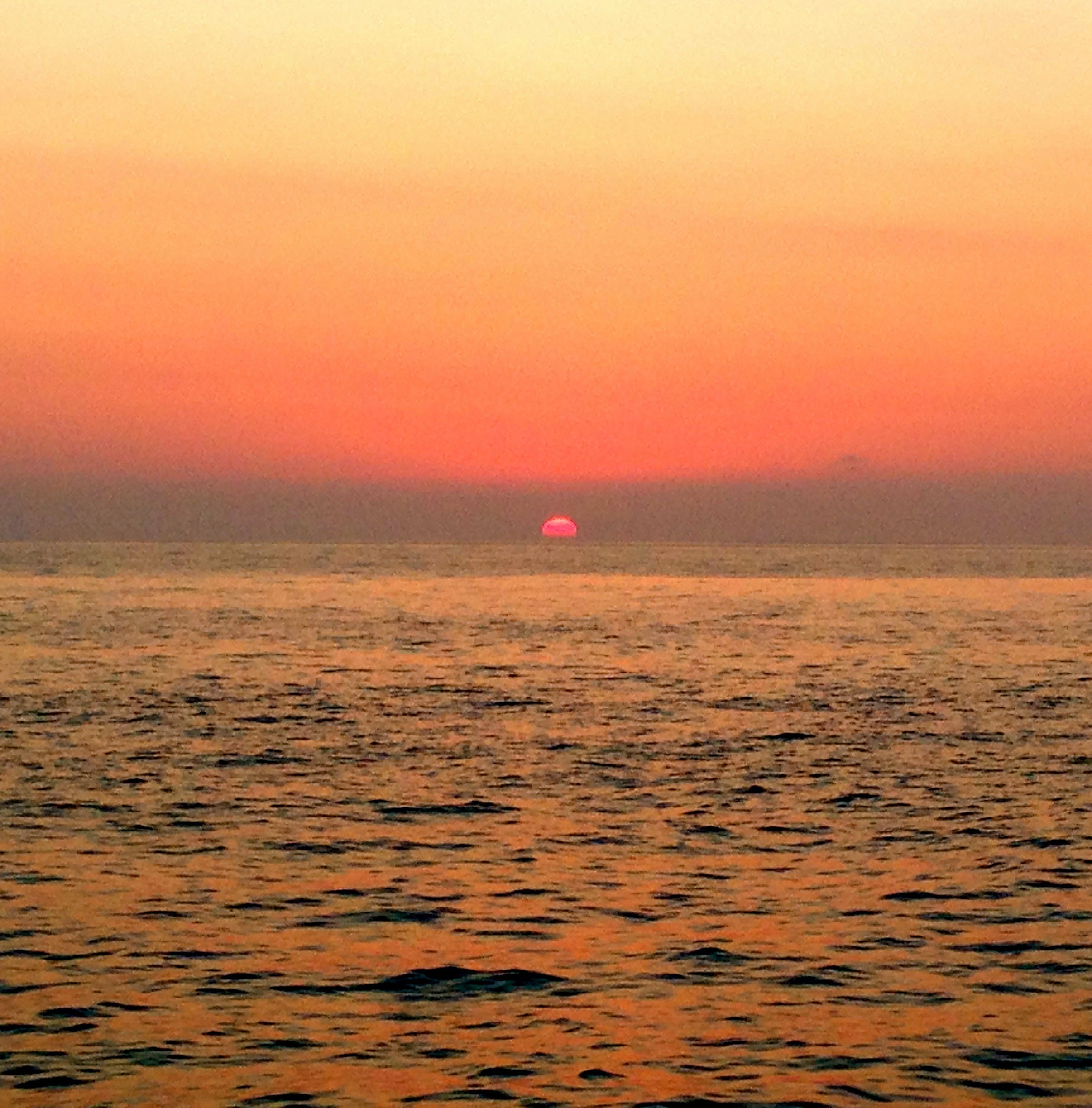
Nocturnal Pilgrimage
The interface of nighttime after watching the sun set over the ocean with the five ecological psychology processes—energy, diversity, death/decay/renewal, change, and relationship—can be a rich, multi-layered experience that fosters deep reflection, connection, and creativity. Here's what emerges when these elements intersect:
1. Energy: Transition from Day to Night
Emergence: The transition from the vibrant energy of the sunset to the calm, contemplative energy of nighttime.
Reflection: This shift emphasizes the cyclical nature of energy in the natural world. The dynamic, intense energy of the sun's descent gives way to the softer, more subtle energy of the night.
Creativity: This transition can inspire creative activities that reflect the balance between activity and rest, light and dark. Artists might feel inspired to create works that explore these contrasts.
2. Diversity: The Nighttime Ecosystem
Emergence: The diverse elements that come to life at night, which are different from those during the day.
Reflection: Nighttime brings out a different set of living organisms and ecological interactions, showcasing the diversity of life that thrives under the cover of darkness.
Creativity: This diversity can spark creativity by encouraging exploration of less visible or less obvious aspects of nature. Writers and artists might delve into themes of hidden beauty or the richness of nocturnal life.
3. Death/Decay/Renewal: The Cycle of Day to Night
Emergence: The end of the day (death) and the quiet renewal that nighttime offers, leading to the dawn of a new day.
Reflection: Watching the sunset and then experiencing the night can remind individuals of the natural cycles of ending and renewal. This can be a metaphor for personal growth and transformation.
Creativity: This cycle can inspire creative works that explore themes of transformation, rebirth, and the continuous flow of life. It can also prompt reflections on personal or collective experiences of change and renewal.
4. Change: The Ever-Shifting Natural World
Emergence: The constant change observed in the transition from sunset to night, highlighting the fluidity of natural processes.
Reflection: This change can emphasize the impermanence and adaptability required in nature and life. The shifting colors of the sunset fading into the night sky illustrate the beauty of change.
Creativity: This process can encourage creators to embrace change in their work, experimenting with new techniques, mediums, or perspectives. It can also lead to projects that explore the theme of change itself.
5. Relationship: Interconnectedness in the Night
Emergence: The relationships between different elements of the ecosystem, accentuated by the setting sun and the onset of night.
Reflection: The interface of day and night highlights the interconnectedness of various natural elements—how the sun affects the ocean, how the changing light influences nocturnal creatures, and how these relationships create a harmonious whole.
Creativity: This interconnectedness can inspire collaborative projects that emphasize the relationships between different elements or forces. It can also lead to a deeper understanding of how individual parts contribute to the whole.
Integrative Experience: Nighttime Ocean Meditation
As a practical example, here’s an integrative nighttime ocean meditation that encapsulates all five processes:
Objective: To experience the awe of the transition from sunset to night, reflecting on the five ecological processes to foster creativity and personal insight.
Activity Steps:
Find a Quiet Spot:
Choose a safe, peaceful spot on the beach where you can comfortably observe the sunset and stay into the night.
Observe the Sunset:
Watch the sun set over the ocean, noting the energy shift as day turns to night. Reflect on the vibrant energy of the sunset and the calming energy of dusk.
Experience the Diversity:
As darkness falls, pay attention to the different elements that come alive at night—the sounds of waves, the sight of nocturnal creatures, and the stars beginning to appear. Reflect on the diversity of life that thrives in different light conditions.
Reflect on Death/Decay/Renewal:
Contemplate the end of the day as a natural cycle of death and renewal. Consider how this cycle is mirrored in your own life, acknowledging endings and anticipating new beginnings.
Embrace Change:
Notice the gradual change from light to dark and how it transforms the environment. Reflect on how change is a constant and essential part of life and creativity.
Connect with Relationships:
Observe the relationships between the elements around you—the interplay of light and shadow, the connection between the ocean and the sky, and your relationship with the natural world. Reflect on the interconnectedness of all things.
Journal Reflection:
After spending some time in quiet contemplation, take out your notebook and write about your experience. Use prompts such as:
How did the transition from sunset to night affect my energy?
What diverse elements did I notice, and how do they inspire me?
How does the cycle of death and renewal manifest in my life?
What changes did I observe, and what do they teach me about embracing change?
How did I feel connected to the environment and the elements around me?
This integrative approach can lead to profound insights, enhancing creativity and resilience through a deepened connection with the natural world.
