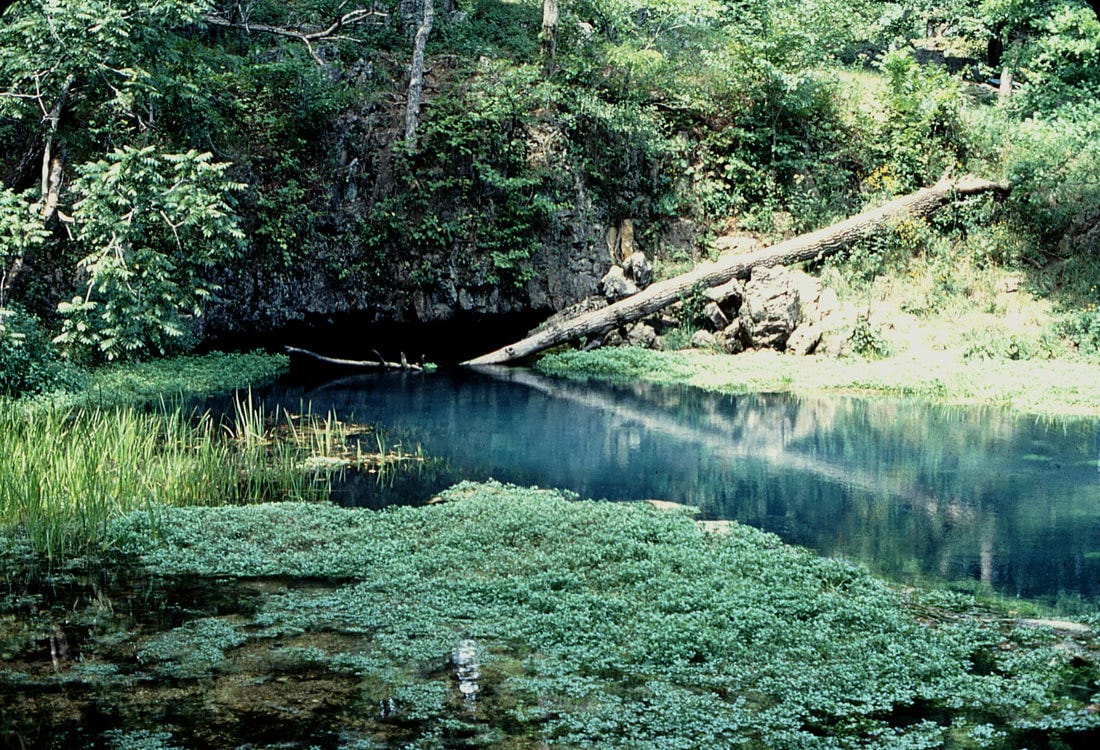
People flourish when they discover that their own happiness is intertwined with the regeneration of nature + People deepen their potential when they engage their natural senses and form rapport with the living world + People find trustworthy guidance when they learn to receive truths directly from their experiences with natural beings
Our mission here at the Gate at the beginning of the Heartwood Path is to welcome the traveler into a way of learning that begins with direct contact, natural sensing, journaling, and the discovery of great trustable truths.
Doing so helps the traveler begin to flourish with nature’s support, because starting with lived experience grounds everything that follows.
It is precisely in the reciprocal relationship between the effort to regenerate nature and the pursuit of happiness that the merit of this course of learning shines. I present these Substack articles to correct core issues—from personal to planetary—by helping readers maximize their potential with the help of nature.
Think of all of the articles presented here as stopping points along an imaginary trail of discovery. By lingering with me each day at these waypoints you will come to a significant assertion:
Great gladness comes to those who find that place where their own happiness meets the world’s hunger for a regenerated nature.
Congratulations: you have found the entryway to that place. Nearly every day you will be presented with important things to think about and do. It will be an eye-opening and fun adventure. By its end, you will have what it takes to flourish. You will be what the world needs: an eco-centric elder—someone who is comprehensively mature (inside and out) and capable of helping others with their in-depth development.
Before you start thinking that this is going to be fitful and onerous, let me assure you that our time together on the Heartwood Path will be rewarding and fun.
Start off right.
I will almost always give you an activity that brings home the principles introduced in each article. Often in life, it's easier done than said. So let's dive right in.

Read the thought-provoking Heartwood Path text, but don’t stop there.
This first activity depends on your awareness of the existence of fifty-four natural senses that you—and this is important—share with other beings in nature. Getting to know these senses is necessary for you to be able to build the rapport needed for nature to help you to find happiness and regenerate nature. We will give you the complete list later; but, to help you understand what we mean, consider only a few of your natural senses: for example, your sense of color or temperature, your sense of gravity or touch on the skin; your sense of thirst or appetite; and your spiritual distress or the appreciation of beauty.

Improve your functioning by communing with nature as you are instructed to do at each learning station of the Heartwood Path.
HumaNatureConnect Activity
Finding Truth In Nature
With your journal in hand, go to a place in nature (in the backwoods or backyard).

Along the Heartwood Path, to halt the further objectivization of nature, natural objects, big or small, are called “natural beings” as a way to acknowledge their ability to feel and to perceive things.
Use the natural senses previously mentioned (your sense of color or temperature, your sense of gravity or touch on the skin; your sense of thirst or appetite; and your spiritual distress or the appreciation of beauty). Remember that impressions that you form about attractive natural beings and natural areas—all coming from your experiencing of them in the Now—are trustable; and recognize that the natural processes and features witnessed are a source of special, substantial, and irreplaceable truthfulness about both nature and yourself.
To find a great trustable truth, look around the natural area to see what clues are available to your senses—from natural beings and not from yourself—regarding overcoming obstacles, what it means to be successful, and what traits help the natural being be successful.
Having recognized certain positive traits in your chosen natural being, write down how you would like to possess these same or similar qualities yourself. Verify the revealed great trustable truth by writing in your journal: “I know (write-in this moment’s great trustable truth) is true because I am experiencing it.” Record your great trustable truth and any other insights that you discover in a journal.
Find guidance, information, and healing by always journaling after each of the activities found along the Heartwood Path.
In your pleasing spot in nature, look around and determine which of all of the natural beings you find to be most attractive. Appreciate its attractive qualities.
Make a mental or written list of reasons why you picked this particular natural being.

To start off right, find something that is attractive to you in nature. After a brief period of observation and appreciation, create a sentence that reads:
“I love this natural being because it is (insert at least three qualities that you like about this natural being).”
Then create a parallel sentence that reads:
“I love myself because I am (insert the same qualities as before).”
Note how this activity is a good way to feel good about yourself.
The attractive attributes of the natural being that are appreciated by the participants are usually qualities that the participants do not know they would like to see emerge in themselves.
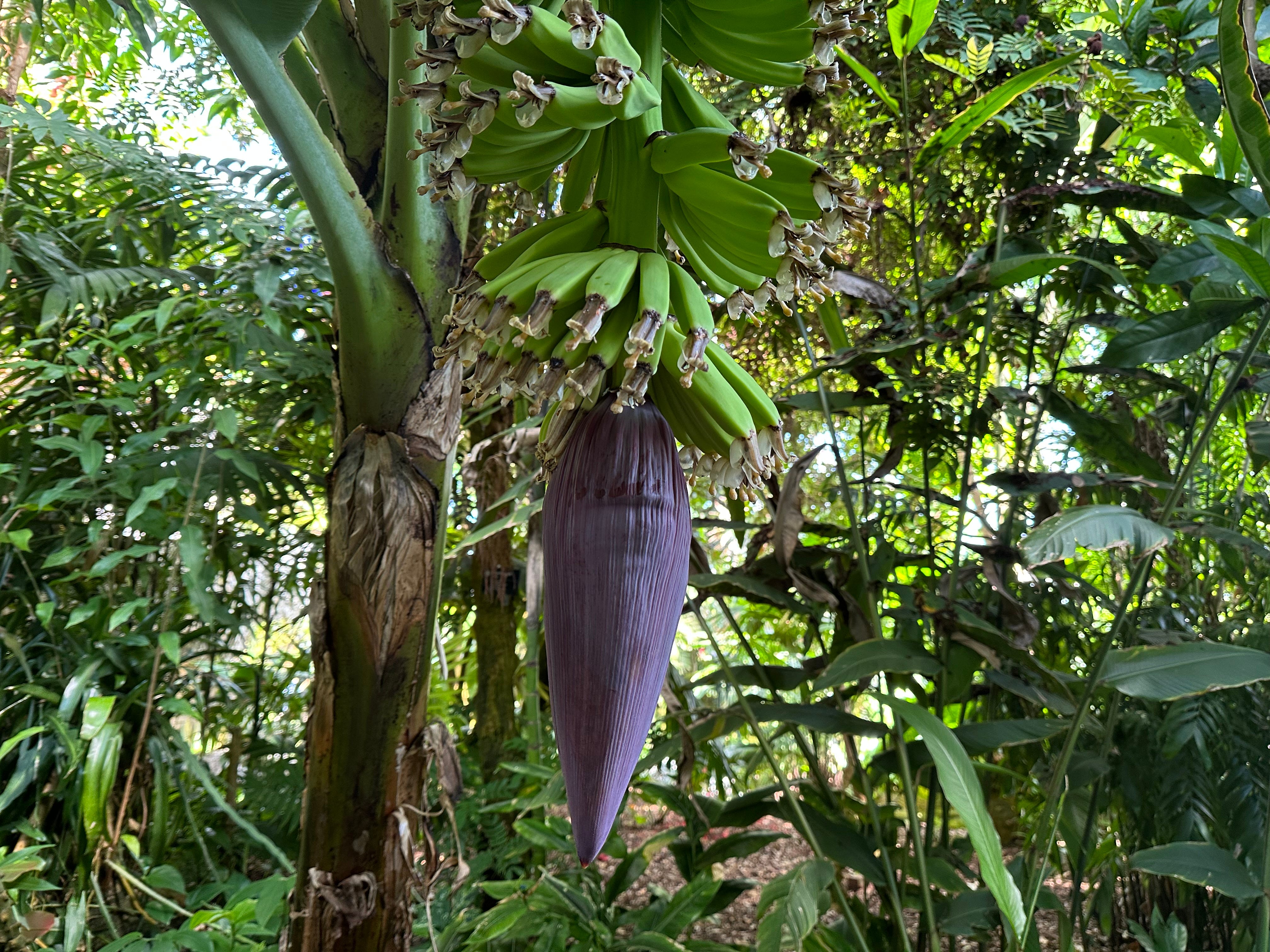
Let us say, for example, that you are attracted to kelp (a prevalent seaweed), especially the way it is both anchored to the seabed and the way it is free to move in the ocean currents. This attraction may tell you that, until this moment, you did not recognize that you seek to be married to a spouse that, at once, gives you the anchor of a safe and secure household but also does not substantially limit your freedom of movement, your attitudes, or your activities. Knowing this, you now have a better chance of finding a suitable mate by looking for someone who can allow you to have both your required security and ample freedom.
In this activity, always state “I am ___” rather than “I would like to be ___”. “I am___” makes the sentence an affirmation, which is best stated in the present tense. Stating what you want to be in the present tense is a powerful motivator. Example: “Just as this attractive coconut is hard, I am willing to face hard facts.”
This is one activity that repeating is very useful. Or, if you prefer, move to the next waypoint as described in the next Substack in this Heartwood Path Beat series.
Nocturnal Pilgrimage
Reflect on your day’s Heartwood Path activity. Engaging in outdoor immersion activities can be incredibly beneficial for personal growth, as they provide opportunities for reflection, introspection, and connection with nature. Here are some reflections that can be made during such activities:
take a moment to observe the beauty and intricacies of the natural world around you;
use the solitude of the outdoors to delve into your own thoughts and feelings and reflect on your values, aspirations, fears, and strengths;
reflect on the sensations you experience and allow yourself to fully engage with the present moment;
pay attention to how you communicate and collaborate with others, and think about ways to deepen these connections;
reflect on your relationship with the environment and consider how you can be a more responsible steward of the Earth;
in the peacefulness of nature, reflect on what you may need to let go of—whether it's past regrets, worries about the future, or negative thought patterns;
allow the beauty of your surroundings to inspire creativity and innovation;
reflect on the importance of physical activity and fresh air for your overall well-being, and consider how you can incorporate more outdoor time into your routine;
consider how outdoor immersion activities can provide perspective and clarity on what truly matters.
Make sure you are adding your impressions in your journal.
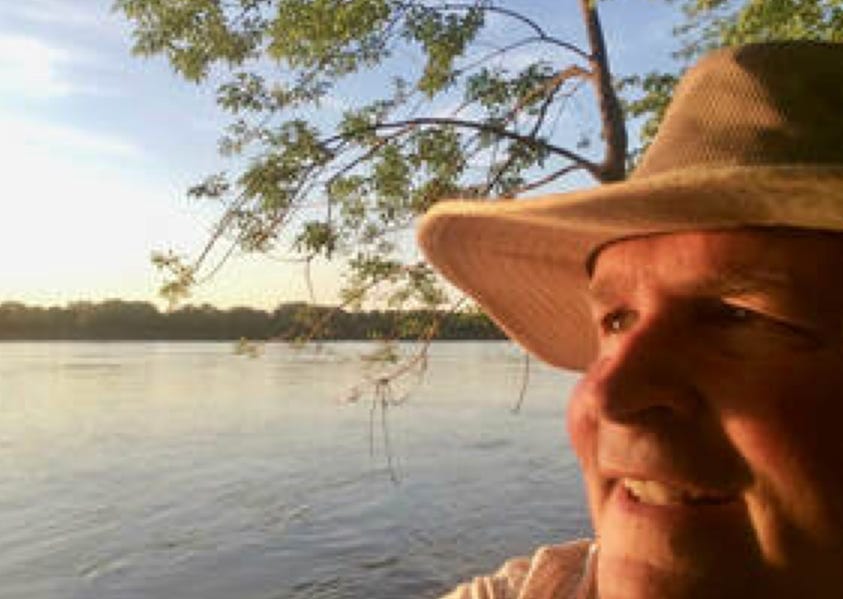
Don Pierce, along Missouri River in Missouri.