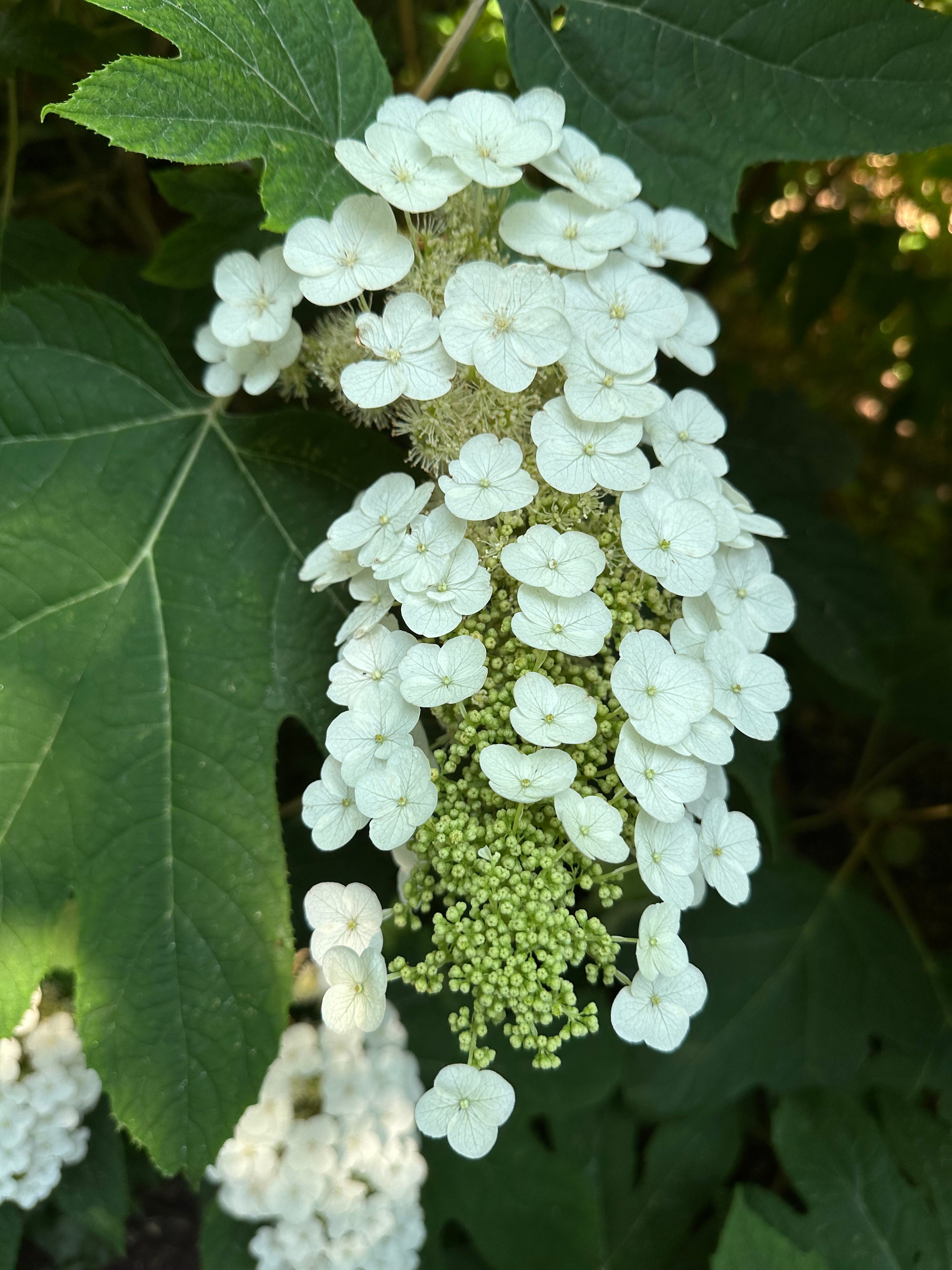
Photo by Don Pierce.
Many people feel drawn to nature. A forest path beckons. Moving water calms. A wide horizon fills the chest with breath and meaning. These attractions are real, powerful, and often life-shaping. Yet attraction alone is not enough. When attraction is not examined, tested, and grounded, it can mislead, exhaust, or romanticize. When attraction is converted into trustable truth, however, it becomes a reliable guide—for moral development, ecological regeneration, and lasting happiness.
Attraction Is the Beginning, Not the End
Attraction is nature’s way of getting our attention. It is pre-verbal, bodily, and immediate. We feel it before we can explain it. This is not a flaw—it is how living systems initiate relationship. Attraction pulls us toward what might nourish, teach, or restore us.
But attraction is ambiguous.
We can be attracted to:
Beauty that hides fragility
Wildness without understanding limits
Experiences that feel meaningful but change nothing
Emotional relief mistaken for wisdom
If we stop at attraction, we remain consumers of experience rather than participants in relationship.
Trustable Truth Requires Engagement
A truth becomes trustable only when it holds under contact, repetition, and consequence. In nature, this means moving beyond “I feel drawn to this” toward questions such as:
What does this place actually allow or require of me?
How does it respond when I act, not just when I admire?
Does my attraction lead to care, restraint, and continuity—or only stimulation?
Trustable truths are not ideas extracted from nature; they are patterns discovered through participation. They are learned by walking the same path in different weather, returning after disturbance, noticing what thrives when human pressure eases, and sensing how one’s own body and ethics change over time.
Why Conversion Matters for Moral Development
Moral growth depends on reliable orientation. If our values are based only on what feels inspiring, they will collapse under difficulty. When attraction is tested in real ecological contexts, it matures into discernment.
For example:
Attraction to “saving nature” becomes the truth of reducing daily harm
Attraction to wilderness becomes the truth of limits, patience, and humility
Attraction to beauty becomes the truth of stewardship and protection
This conversion grounds ethics in reality rather than aspiration. It teaches that care is proven not by intensity of feeling, but by consistency of response.
Why Conversion Matters for Nature Regeneration
Nature does not regenerate through admiration. It regenerates through right relationship—timely action, restraint, and ongoing presence. Attractions that remain unexamined can actually increase harm: overuse of fragile places, performative conservation, or burnout-driven activism.
When attraction is converted into trustable truth:
We learn where not to step
We recognize when not to act
We support processes rather than impose solutions
We commit to return, not extract meaning and leave
Trustable truths align human behavior with ecological processes, allowing regeneration to occur without domination.
Why Conversion Increases Happiness
Happiness rooted only in attraction is volatile—it depends on novelty, intensity, and ideal conditions. Happiness rooted in trustable truth is steadier. It comes from belonging, competence, and mutual responsiveness.
When we convert attraction into truth:
We trust our perceptions more deeply
We feel less anxious about doing “enough”
We experience meaning without urgency
We belong to places rather than pass through them
This form of happiness is quieter but more durable. It does not spike and crash; it settles and sustains.
HumaNatureConnect Activity
How Conversion Happens
The conversion from attraction to trustable truth happens through:
Repeated encounters rather than one-time experiences
Multi-sensory engagement rather than visual consumption
Reflection grounded in consequences, not ideals
Letting the environment correct us
Allowing attraction to mature into responsibility
In this way, attraction becomes an invitation—not a conclusion.
The Deeper Truth
Nature offers attractions freely, but it reveals truth selectively—to those willing to stay, listen, adjust, and return. When we honor this process, we develop a perception that is not merely inspired, but dependable.
And in a time when both human happiness and Earth’s systems need steadiness more than spectacle, trustable truths are not a luxury—they are a necessity.Steps to Convert Attractions in Nature into Trustable Truths
1. Notice What You’re Attracted To
Why it matters: Attraction is not random. It signals a resonance between your inner nature and the outer world.
Wander slowly in nature without a specific destination.
Pay attention to where your senses linger—sight, sound, smell, curiosity, or fascination.
It might be a gnarled tree, flowing water, a beetle, or a shaft of light.
📍 Ask yourself: What draws me? Where do I feel a gentle pull or fascination?
2. Pause and Observe Deeply
Why it matters: Trustworthy truths require patience.
Stop moving. Be still with the being or scene that attracts you.
Observe it as if you’ve never seen it before.
Let go of naming or analyzing—just experience it fully.
Let your attention rest. What are the textures, movements, sounds, colors?
3. Notice Your Emotional and Bodily Response
Why it matters: The body's response holds wisdom.
What do you feel in your body? Warmth? Stillness? Expansion?
What emotion arises—joy, awe, grief, calm, energy?
Let yourself feel rather than judge.
Your body is a compass pointing toward truths aligned with your inner self.
4. Ask What This Attraction Might Be Showing You
Why it matters: Nature is a mirror and a teacher.
What quality does this being embody? Strength? Resilience? Simplicity? Fluidity?
Why might that quality matter to you now?
What story does it seem to tell you?
Example: “This cracked boulder stands firm yet open. It shows me how to remain strong and vulnerable.”
5. Translate the Experience into Words
Why it matters: Language helps anchor and transmit insight.
Journal about what you saw, felt, and learned.
Use metaphors, analogies, or short poems.
Include both the external (what you observed) and internal (what you discovered).
Try: “Today, I was drawn to a sapling bending in the wind. It taught me that flexibility isn’t weakness, but wisdom.”
6. Identify the Trustable Truth
Why it matters: A trustable truth endures and can guide your actions.
Does this insight feel solid, like something you can return to in challenging times?
Can it guide behavior, offer clarity, or foster connection?
Test it: Is this truth universal, regenerative, life-affirming? Can it be applied inwardly and outwardly?
7. Carry It Forward and Share It
Why it matters: A trustable truth becomes more real when embodied and shared.
Let it shape a small daily action or intention.
Share the story or truth with others—through words, art, ritual, or teaching.
Return to the same place later and see if the truth deepens or evolves.
Living with a trustable truth keeps you rooted and adaptable in uncertain times.
Why the Attraction Itself Is Key
“What you are drawn to reveals what is already awakening in you.”
Attraction is a threshold between the outer world and inner truth.
It reflects needs, desires, capacities—often before you consciously know them.
By honoring attraction, you open a path to self-understanding and ecological connection that is uniquely yours.
Essential Readings:
• […]
• […]

Recommended Readings:
• […]
• […]
• […]
• […]

For additional readings, visit Heartwood Path Beat.