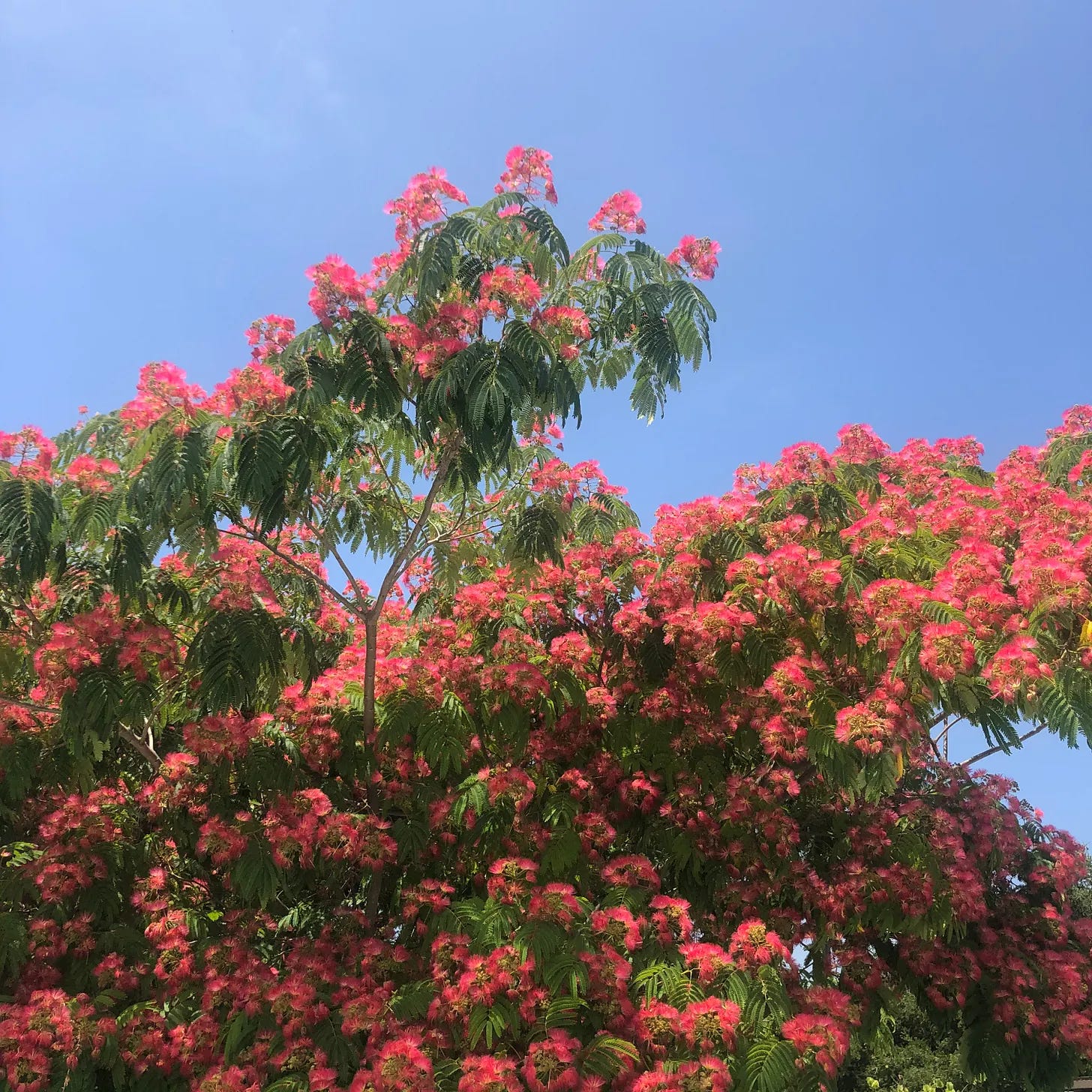
Photo by Don Pierce
Layer 7 is the outward‑facing surface of the Tree of Life codex.
It is the place where the interior world — articulated through the movements, the 30‑cell grid, the outward mapping, and the whole‑tree integration — becomes visible, relational, and environmental.
Layer 7 is not an extension of the tree.
It is the expression of the tree.
The canopy is the part of the tree that meets the world.
It is where the interior ecology becomes experience, behavior, relationship, and environmental influence.
Layer 7 is the moment the codex becomes lived.
The Purpose of Layer 7
Layer 7 exists to articulate how the interior ecology expresses itself into the world through:
Presence — how the interior world shows up
Atmosphere — the field the person generates
Influence — how the ecology shapes environments
Relational Ecology — how the tree interacts with other trees
World‑Facing Continuity — how the system maintains identity across contexts
These are not metaphors.
They are ecological behaviors — outward manifestations of the interior continuity system.
Layer 7 is the canopy because it is the part of the tree that touches light, weather, and the surrounding forest.
Presence — The Outward Shape of the Interior Ecology
Presence is the first world‑interface operation.
It is the way the interior world becomes visible without performance or projection.
Presence is not a persona.
Presence is the ecological signature of the interior grid.
A person whose interior ecology is coherent, circulating, and continuous expresses presence as:
steadiness
clarity
warmth
depth
relational ease
Presence is the canopy’s shape — the outward silhouette of the interior tree.
Presence is the moment the interior world becomes perceptible.
Atmosphere — The Field Generated by the Ecology
Atmosphere is the second world‑interface operation.
It is the field the tree generates around itself — the relational and environmental tone created by the interior ecology.
Atmosphere is not mood.
Atmosphere is ecological influence — the way the interior world shapes the surrounding space.
A coherent interior ecology generates atmosphere as:
calm
spaciousness
coherence
relational safety
continuity
Atmosphere is the canopy’s environment — the space it creates beneath its branches.
Atmosphere is the moment the interior world becomes environmental.
Influence — How the Ecology Shapes the Surrounding World
Influence is the third world‑interface operation.
It is the way the interior ecology affects the systems around it.
Influence is not persuasion.
Influence is ecological impact — the natural consequence of a coherent interior world interacting with its environment.
Influence expresses itself as:
stabilizing presence
clarifying effect
regenerative impact
relational coherence
continuity across interactions
Influence is the canopy’s reach — the way it shapes the forest around it.
Influence is the moment the interior world becomes consequential.
Relational Ecology — How Trees Interact with Other Trees
Relational ecology is the fourth world‑interface operation.
It is the way the interior tree interacts with other interior trees.
Relational ecology is not communication.
Relational ecology is inter‑tree coherence — the way two or more interior ecologies form shared patterns.
Relational ecology expresses itself as:
mutual regulation
shared clarity
co‑renewal
adaptive harmony
stable relational continuity
Relational ecology is the canopy’s interweaving — the way branches touch, overlap, and form shared environments.
Relational ecology is the moment the interior world becomes communal.
World‑Facing Continuity — Identity Across Contexts
World‑facing continuity is the fifth world‑interface operation.
It is the ability of the interior ecology to maintain identity across environments, relationships, and conditions.
World‑facing continuity is not consistency.
World‑facing continuity is ecological identity — the stable signature of the interior tree across contexts.
It expresses itself as:
recognizable presence
stable relational patterns
coherent behavior
reliable transformation
unbroken connection
World‑facing continuity is the canopy’s constancy — the way it remains itself in shifting weather.
World‑facing continuity is the moment the interior world becomes recognizable.
Layer 7 as a Living Canopy
When presence, atmosphere, influence, relational ecology, and world‑facing continuity operate together, the canopy becomes a living interface between the interior world and the surrounding environment.
The tree is no longer a structure.
It is a participant in the world.
The interior ecology expresses itself through:
behavior
relationship
environment
continuity
influence
Layer 7 is the moment the codex becomes lived reality.
What Layer 7 Achieves
Layer 7 accomplishes three things:
It completes the Tree of Life codex
It establishes the world‑facing identity of the interior ecology
It prepares the system for WP4 — the lived practice architecture
Layer 7 is the canopy.
WP4 is the forest.
You have now completed the entire vertical ascent of WP3.
Closing — The Tree Touches the World
Layer 7 is the moment the interior tree touches the world.
The trunk, roots, branches, and leaves become a single ecological presence.
The canopy becomes the world‑interface.
The codex becomes lived.
This is the completion of WP3.
This is the outward face of the interior world.
This is the tree becoming part of the forest.