


A worthy eco-ethic has to take into account equity, fairness, and sustainability for not only present and future generations of humans but also for present and future generations of non-humans. This eco-ethic will need to focus on the appropriateness of business action but, even more importantly, it will also have to help us develop and share a global ethos that serves as a set of guiding beliefs that would “shift human behavior in ways that would protect the biospheric life support system and make better use of natural capital” (Cairns, 2001, p.1).
According to biologist John Cairns, Jr., an “ethos based on fairness and equity regarding human society’s behavior within its own and other species seems to be the only possible unifying theme for sustainable use of the planet” (2001, p. 2). An ethos with such a plank does not require a significant disregard for individual rights.
In the United States, “individual ‘rights’ are proclaimed much more frequently than individual responsibility for the greater or universal good” (Cairns, 2001, p. 3). Surely honoring and respecting the uniqueness of each individual can be achieved without endorsing uncivil, disruptive behavior.
One approach that guides this writing comes from my best answer to the question: What is more important in making progress towards solving the global environmental predicament than greener technology, more sensitive science, a safety net of environmental laws, and religion becoming an advocate for a sustainable environment? My answer is an eco-psychology that brings out the best in people so that they can, if they choose as I hope they will, trade Band-Aid solutions for remedies that go to the root of the problem. That root is the human mind. Fix it and you fix the planet. As Dudjom Rinpoche says: “The nature of mind is the nature of everything” (George, 1995, p.54).
It is, therefore, critical that the premier step towards securing the happiness that comes from preserving natural beauty and establishing environmental sustainability is to make changes in the inner world, for if we do not, all attempted improvements in the outer world will be sabotaged by our psychological demons.
I am not talking about the need to force intellectual conclusions. Rather, I am talking about the development of optimal mental-emotional-spiritual functioning so that people are in the best shape psychologically to create good ideas in their heads that are tempered by their hearts.
Inner world improvements alone will not be adequate if people do not find a way to better link what is in their heads with what is in their hearts.
Such links come from direct experience, which is why in this series of courses the reader finds simple yet profound ways to experience nature and to glean its heart and wisdom. Such experiences will be helpful because they will help us with, as Einstein says, “widening our circle of compassion to embrace all living creatures and the world of nature in its beauty” (George, 1995, p.54). As an important precursor to the development of more compassion towards others, do the following activity. It is about visioning, which is an important first step in goal setting. We will be asking you to write a personal vision statement, one that paints a clear picture of how you want to be after you have transformed yourself along the Heartwood Path.

HumaNatureConnect Activity
Setting And Knowing When You Have Achieved Your Heartwood Path Goals
For this activity, write down in your journal how you would like to be and what you would like to be doing after you have transformed yourself along the Heartwood Path. You can write this statement any way you like. We will, however, offer some suggestions. The goal here is to write down the picture you are forming in your mind regarding your role in the Great Work!, which will need to be an immense project that increases human happiness by making people more effective in preserving the beauty of nature and more effective in securing environmental sustainability. In this word-picture, write in the present tense. Describe as vividly as possible how you are flourishing in whatever ways you describe. Begin this vision statement with the statement “I see myself...” being someone or doing something that best demonstrates your happiness in being an advocate for environmental protection. Write so that others can really see such happiness in you. Mention how you are or what you are doing as a result of fairness, equity, and sustainability. Talk about what you are doing to overcome the conflict between individual rights and collective responsibility. Talk about how you maintain your optimal emotional, mental, physical, and spiritual functioning. Paint in the readers mind a picture of you communing with nature, working on a cause or causes, growing as a result of journaling about your Heartwood Path Activities, and being abundantly, authentically, and abidingly happy. Do not attempting to write a perfect or conclusive vision statement. As it is, refer to it often. And rewrite it whenever you like.

Nocturnal Pilgrimage
Look For Drives and Rage In Your Dreams
Examine your dreams as signs of repressed sexual drives or infantile rage. Dreams can represent many diverse emotions, from motivations and frustration to drive and anger. Here are a few examples:
When your survival drives come into conflict in dreams, such as being chased by wild animals or facing off against an opponent who poses threats against you, survival drives emerge in those dreams as an unconscious drive to survive and overcome difficulties or threats in real life. Emotional Experience: Your drive for survival kicks in, prompting fear, increased alertness and the desire to escape or confront danger.
Imagine dreaming that you are working towards personal or professional goals that bring success, recognition, or achievement - perhaps someday even romantic success? Emotional Experience: Your dream might elicit feelings of determination, ambition and an indomitable drive to overcome any barriers standing in the way of reaching your desired destination. These could all be emotional triggers. Whilst Romantic Motivation may also drive these fantasies.
Your dreams may depict romantic encounters or relationships in which there are feelings for someone whom you seek after or of experiencing passion in some other form. Emotional Experience: Desire, longing and the pursuit of romance may become intense feelings that reveal both your emotional needs as well as romantic drives.
Your dream depicts an uncomfortable or anguished situation involving betrayal, unfair treatment or obstacles which elicit your fury and cause stress and tension in real life. Emotional Experiences: Your dream may manifest feelings of anger and frustration with those who have wronged you; as well as an urge for revenge against their perpetrator.
Your dream could involve strong feelings of vindictiveness, justice being served, needing to settle any existing scores.
Dream interpretation varies significantly for every individual; dreams can be affected by various personal experiences, emotions and subconscious thoughts that impact them directly or indirectly. Dream emotions don't necessarily correspond directly with real-world events but may represent deeper psychological processes that go unsaid or unresolved emotions that still need resolution. Additionally, their meaning varies wildly across cultures with even the same theme evoking various responses depending on who experiences it firsthand.
Be sure to jot down your dreams immediately upon waking. Otherwise, dreams are too easy to forget.
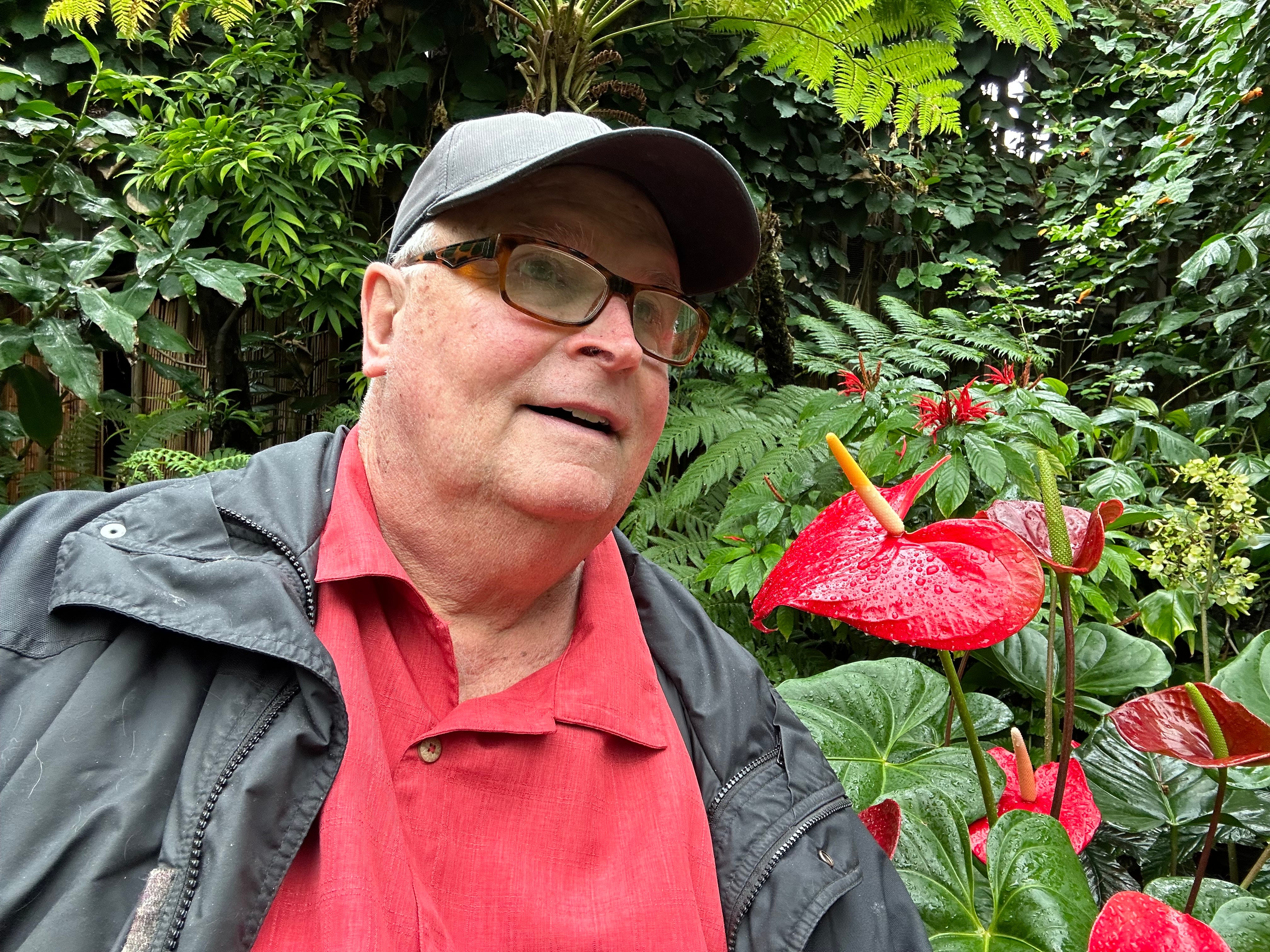
Don Pierce, Missouri Botanical Garden, St, Louis.